
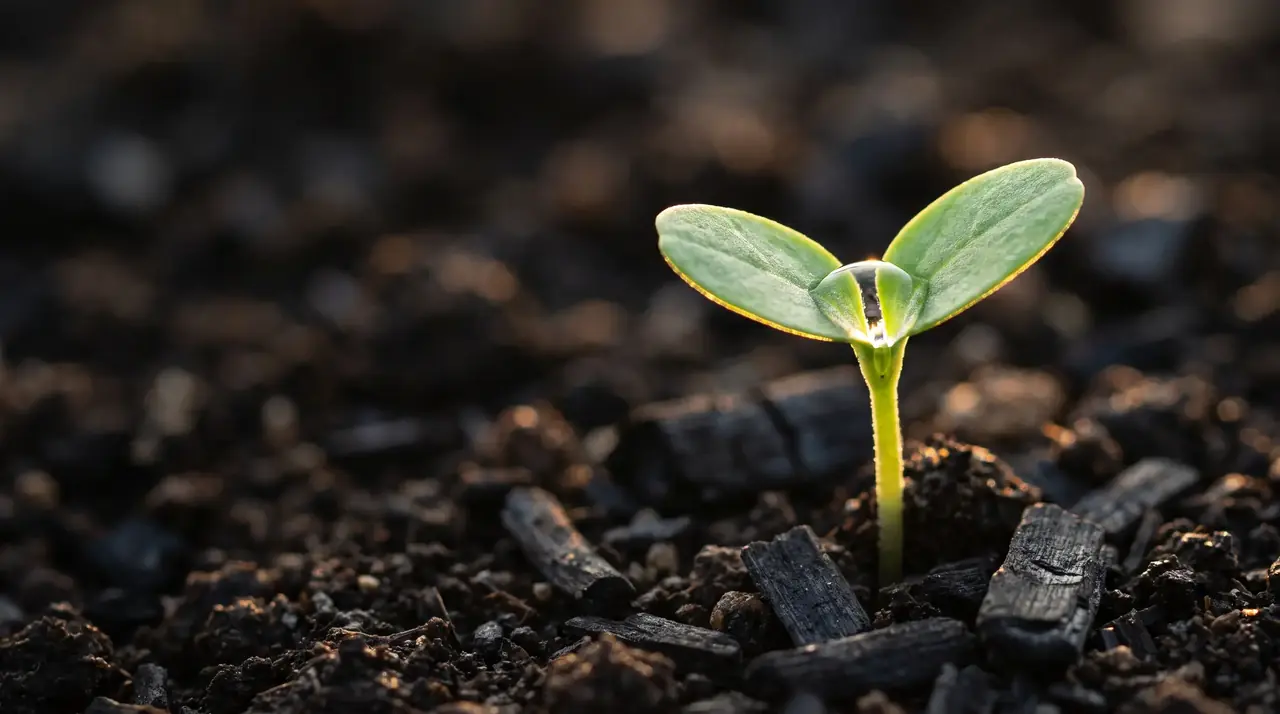
Why home gardening?
According to the latest report from the Food and Agriculture Organization (FAO), as many as 828 million people were affected by hunger in 2021. Growing your own food can directly combat this issue by providing fresh, nutritious produce right from your garden.
Food security & independence
Cultivating your own food ensures a reliable supply free from the instability of external food sources. The National Gardening Association reports that a 600-square-foot garden can yield over 300 pounds of fresh produce annually, significantly reducing grocery bills and enhancing food security.
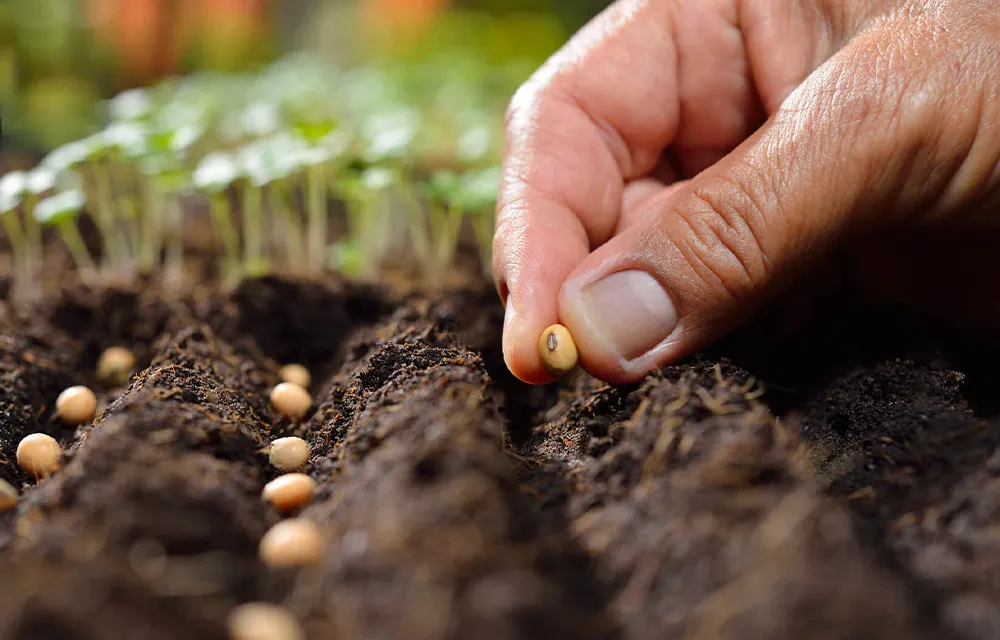
Health & well-being
Home-grown food is fresher and free from harmful pesticides, promoting better health and well-being. Research from the Environmental Working Group indicates that 75% of conventionally grown produce sold in the U.S. contains pesticide residues, which can be avoided with home gardening.
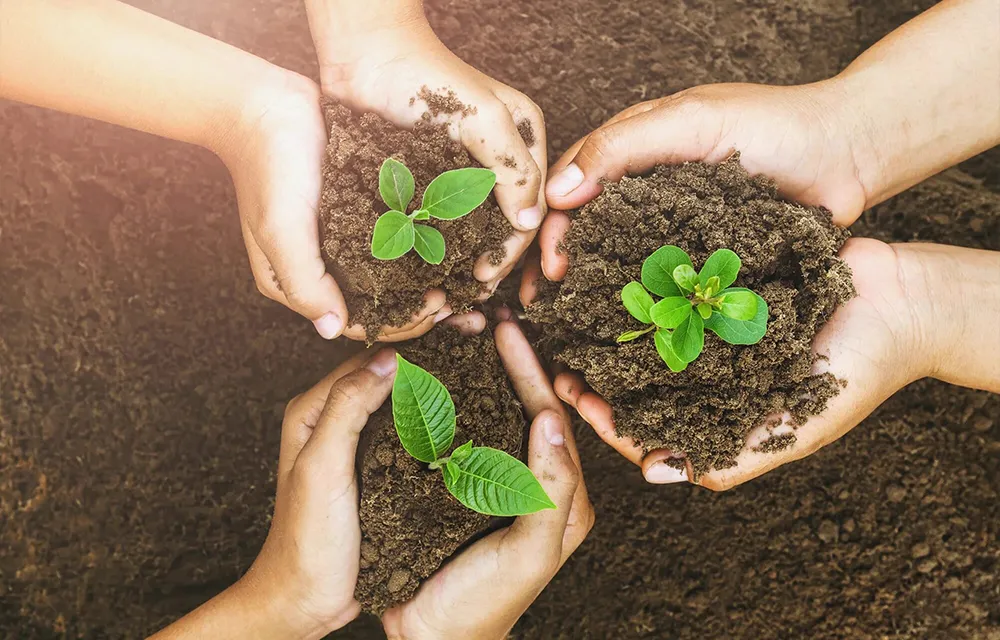
Educational & engaging
Involving children in gardening fosters a deeper connection to nature and teaches them valuable skills. Studies show that children who participate in gardening are more likely to consume fruits and vegetables and show improved science achievement.

Why home gardening matters: you are what you eat
Your health and food security is in your hands, and it is your responsibility.
In an ever-changing world, the importance of self-sufficiency and sustainability has never been more crucial. Home gardening is not just a hobby; it's a vital step towards achieving food security for all. Here's why:
- Reliable Food Supply: Growing your own fruits, vegetables, and herbs ensures a steady supply of fresh, nutritious produce right from your backyard or balcony, reducing dependency on external sources.
- Healthier Living: Home-grown produce is free from harmful pesticides and chemicals, providing a healthier option for you and your family. It is also a great way to engage children in gardening which fosters a deeper connection to nature and teaches them valuable skills that can save lives. Plus, gardening itself is a great form of physical exercise and a stress reliever.
- Environmental Benefits: By growing your own food, you contribute to reducing the carbon footprint associated with transporting and storing commercial produce. Home gardens also promote biodiversity and help in conserving local ecosystems.
- Cost-Effective: Investing in a home garden saves money in the long run. The cost of seeds and supplies is minimal compared to the ongoing expenses of buying fresh produce from stores.
- Community Resilience: Encouraging home gardening fosters a sense of community and shared purpose. Neighbors can share tips, trade produce, and support each other in creating a sustainable local food network.
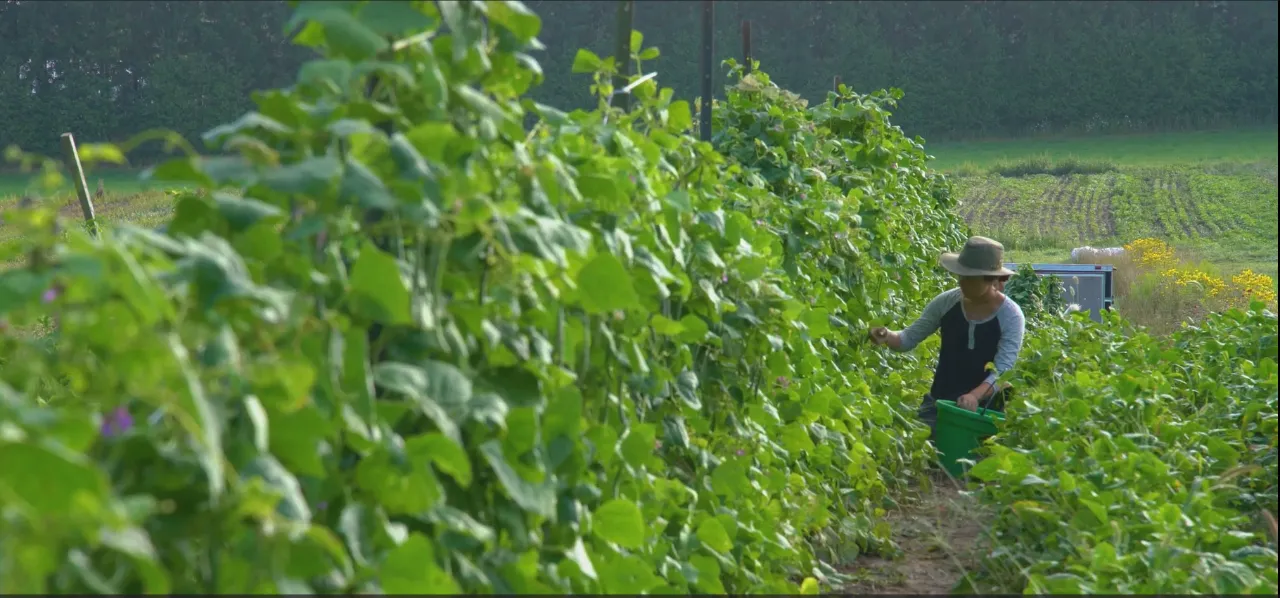
Home gardening - A multifaceted solution
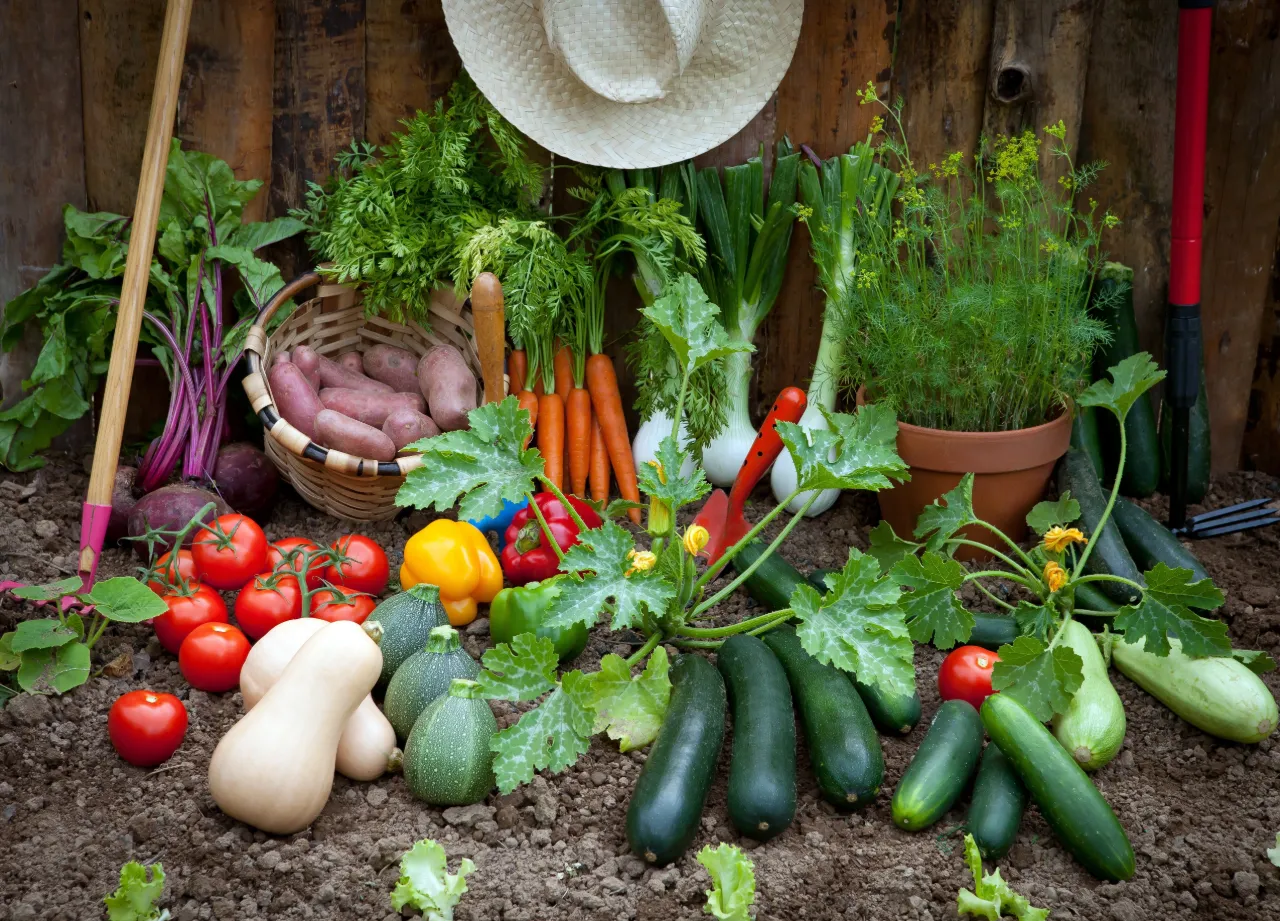
Home gardening offers a multifaceted solution to the challenges posed by the current food system. It empowers individuals to cultivate their own fresh, nutritious produce, reducing their reliance on commercially grown food that may be laden with harmful pesticides and herbicides.
Beyond the tangible benefits of fresh, healthy food, home gardening offers a wealth of intangible rewards. It provides a connection to nature, nurtures a sense of accomplishment, and promotes physical and mental well-being. Gardening has been shown to reduce stress, improve mood, and enhance cognitive function. For families, home gardening can be a fun and educational activity that brings loved ones together. Children who participate in gardening develop a deeper appreciation for food and where it comes from. They also learn valuable life skills, such as patience, responsibility, and the importance of caring for the environment.
The many benefits of using Biochar for gardens & crops
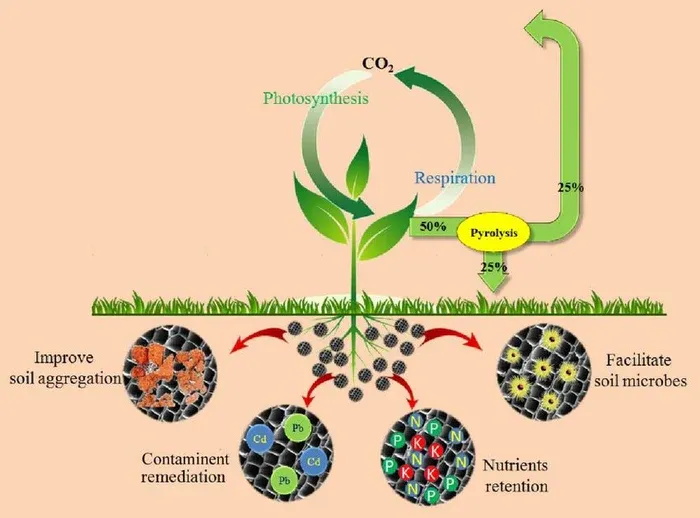
Scientific studies have proven the many benefits of using Biochar in agricultural crops to include:
- Improving soil fertility, and increasing yields per acre.
- The trapping of water and fertilizer in the vicinity of the root zone, and their release according to the requirement of the plant, thus preventing leaching into, and contaminating ground water, and preventing costly waste of valuable resources.
- Superior and quicker plant growth, and the development of strong and healthy roots.
- Prosperity and increase of microorganisms, and reduction of soil acidity.
- Significant savings in water, and fertilizer consumption, resulting in lowering per acre production costs and increased profits.
- Organic Agriculture.
- Desert Agriculture.
Tree of Life is featuring and promoting the most advanced Biochar manufacturing technology, and the premium products that will allow the home gardener or farmer to invest in the soil, while reaping all the many benefits for a lifetime with a one time investment.