Environmental cleanup of contaminated soil & water
Due to the physical, chemical, and electrical properties of our Premium Engineered Biochar among them being both cationic & anionic allow the efficient capsular fixation of heavy metals and chemical contaminants in soil and water remediation projects, while allowing organic materials to be released and utilized by plant life and the all important soil microbiology which gives us "Living Soil".
- The Biochar prevents these contaminants from being leached into the local water supply.
- The use of the Biochar speeds up the process of soil cleanup and the rapid restoration of sterile and contaminated soils. (See Journal Article).
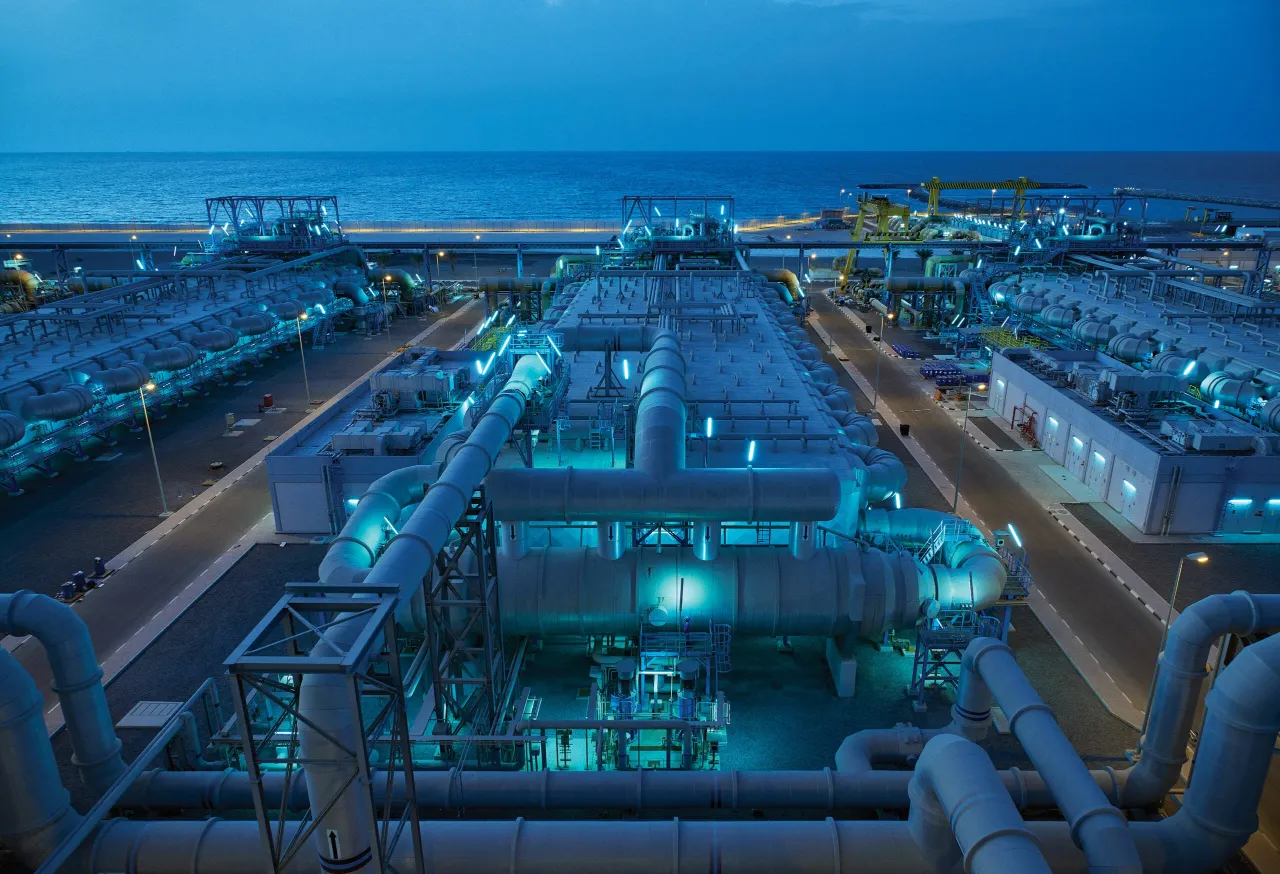
- Biochar is also used in the cleanup and remediation of contaminated water from heavy metals, chemicals, and sediment particles.
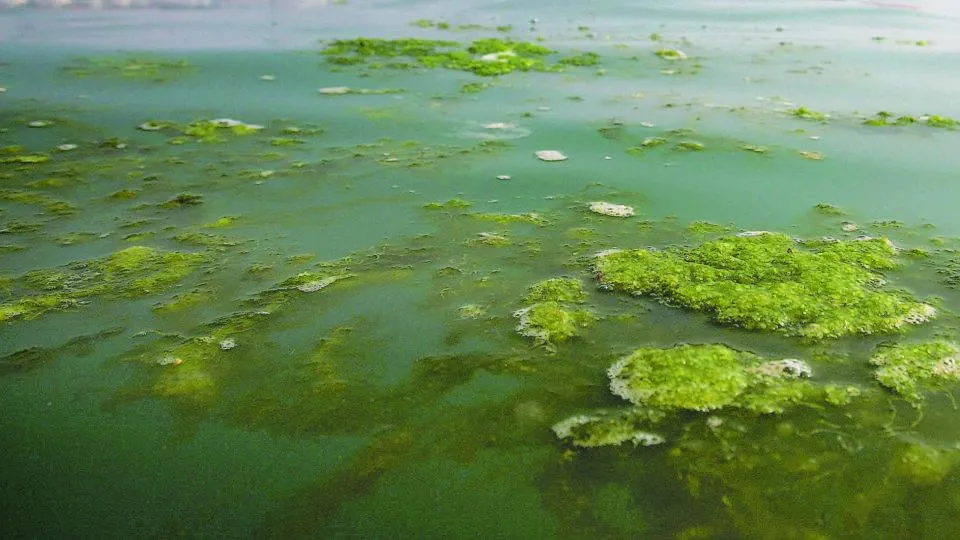
- It is also used to quickly eliminate algae blooms.
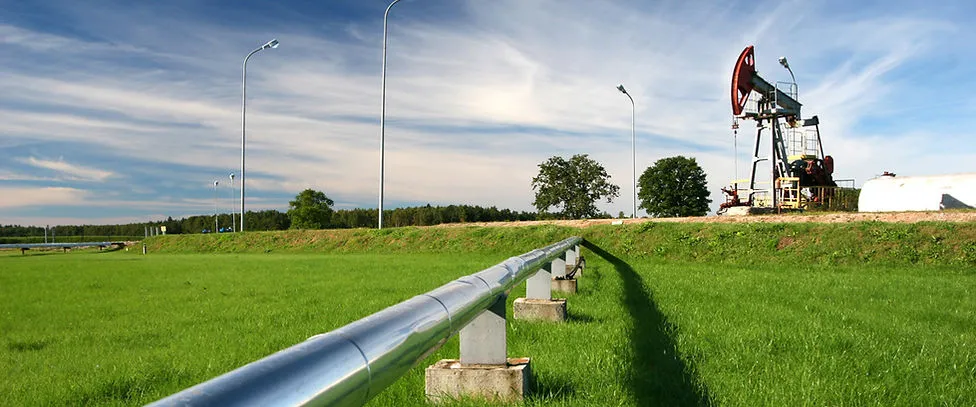
"The use of our Premium Biochar by the oil & natural gas industries as a cost-effective method of complying with the U.S. Environmental Protection Agency's regulations for contamination remediation, is truly a game changer." Our Biochar is the only product available at this time which has EPA approval for "In-situ sequestration", so it is a "sequester and forget" product with US Government Lab certification as having a 17,000 year half-life.
Our Biochar is also the only one in the industry to be insured by the largest crop insurance company in the US for its premium quality and the carbon credits it produces in a given application. This factor alone gives it a major advantage to those companies whose business is soil & water remediation in addressing the issues of liability in cleanup jobs, as well as being able to cash in on the Carbon Credits it produces when sequestered.
This process has been approved for many projects across the U.S. including in Texas by the Texas Railroad Committee.
Our Biochar filtration process is used to purify water from contaminated wells. Our Biochar removes pollutants and allows clean water to flow into the environment without the risk of contaminating humans, animals, and vegetation.
- PresentationRemoval of mercury from contaminated water and soil: a project of the DuPont company
Peer review journal articles on the remediation of soil from toxic substances
- Application Research of Biochar for the Remediation of Soil Heavy Metals Contamination: A Review
- Integrating biochar and bacteria for sustainable remediation of metal-contaminated soils
- Biochar-Facilitated Soil Remediation: Mechanisms and Efficacy Variations
- Biochars and Engineered Biochars for Water and Soil Remediation: A Review
- Effects of Biochar in Soil and Water Remediation: A Review
- Influences of Biochar on Bioremediation/Phytoremediation Potential of Metal-Contaminated Soils
- Preparation and Modification of Biochar Materials and their Application in Soil Remediation
- Review of Biochar Properties and Remediation of Metal Pollution of Water and Soil
- Effectiveness of Activated Carbon and Biochar in Reducing the Availability of Polychlorinated Dibenzo-p-dioxins/Dibenzofurans in Soils
- Biochar reduces soil PCB availability
- Enhanced biochars can match activated carbon performance in sediments with high native bioavailability and low final porewater PCB concentrations
- Performance of an in situ activated carbon treatment to reduce PCB availability in an active harbor