The many benefits of Biochar
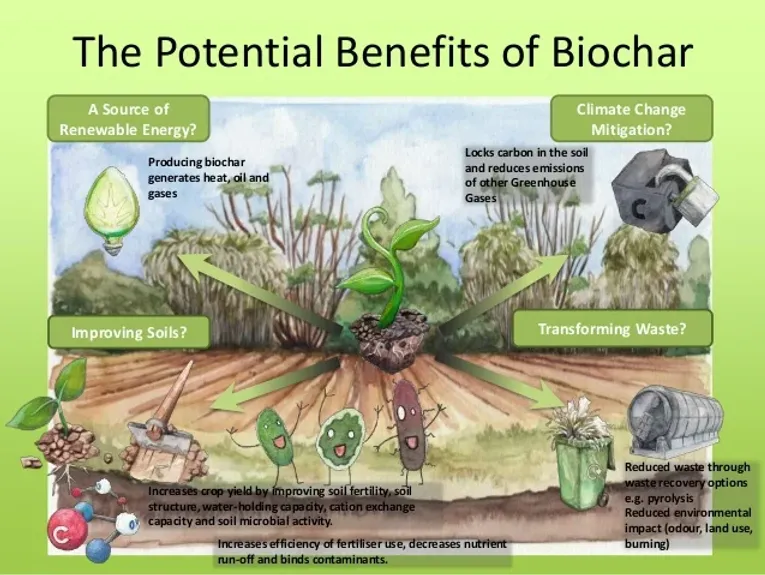
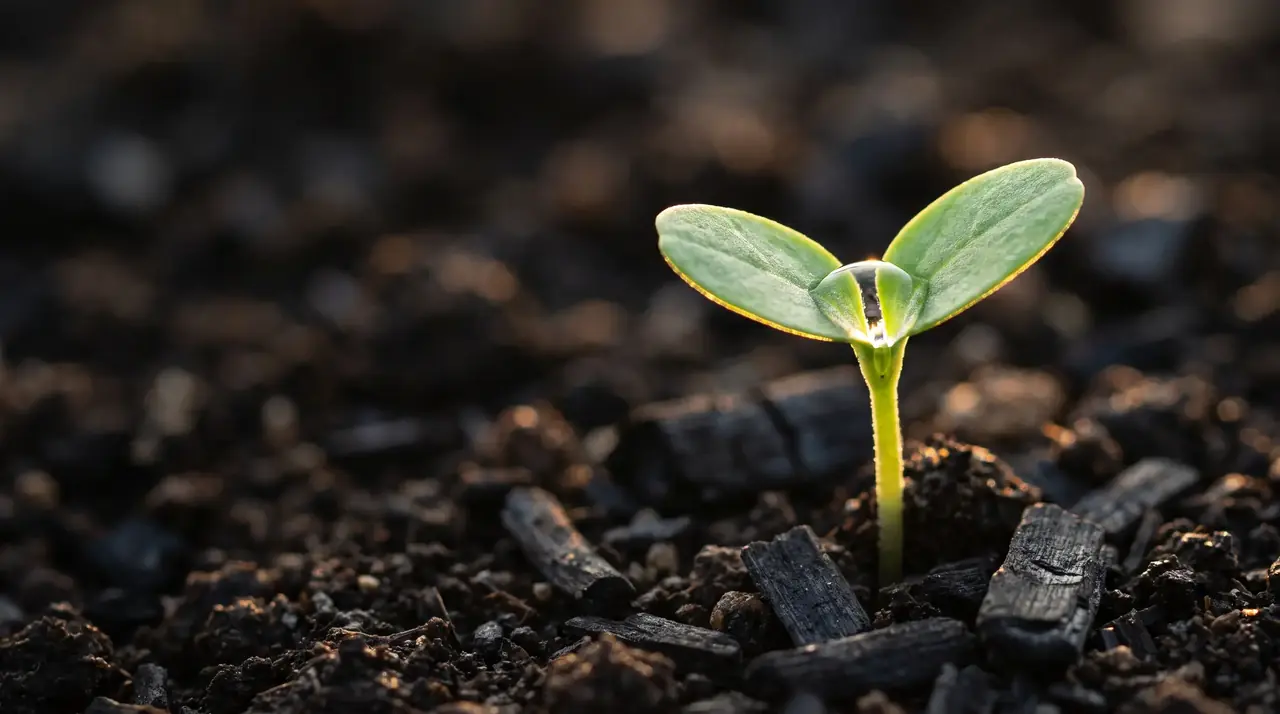
Studies confirm that Biochar-enriched soils grow larger and healthier plants with a larger crop, especially in inferior quality soils, due to weather damage, and floods. In fact, Biochar Now users report that their financial expenses for use of biochar are paid during the first year due to an increase in revenue from the increased yields as well as decrease in the inputs for water, fertilizer, and pesticides per acre.
An increase in soil fertility is attributed to the unique properties of Biochar due to its adsorption and stability in comparison to other organic supplements. Biochar is much more effective at preserving nutrients, and preserving them to be available to plants when they need it. Biochar maintains a porous structure, which attracts beneficial bacteria, retains nutrients, retains moisture - properties that increase fertilizer efficiency and increase crop yields, while reducing the need for irrigation. Biochar is much more stable in the soil environment than any other organic material.
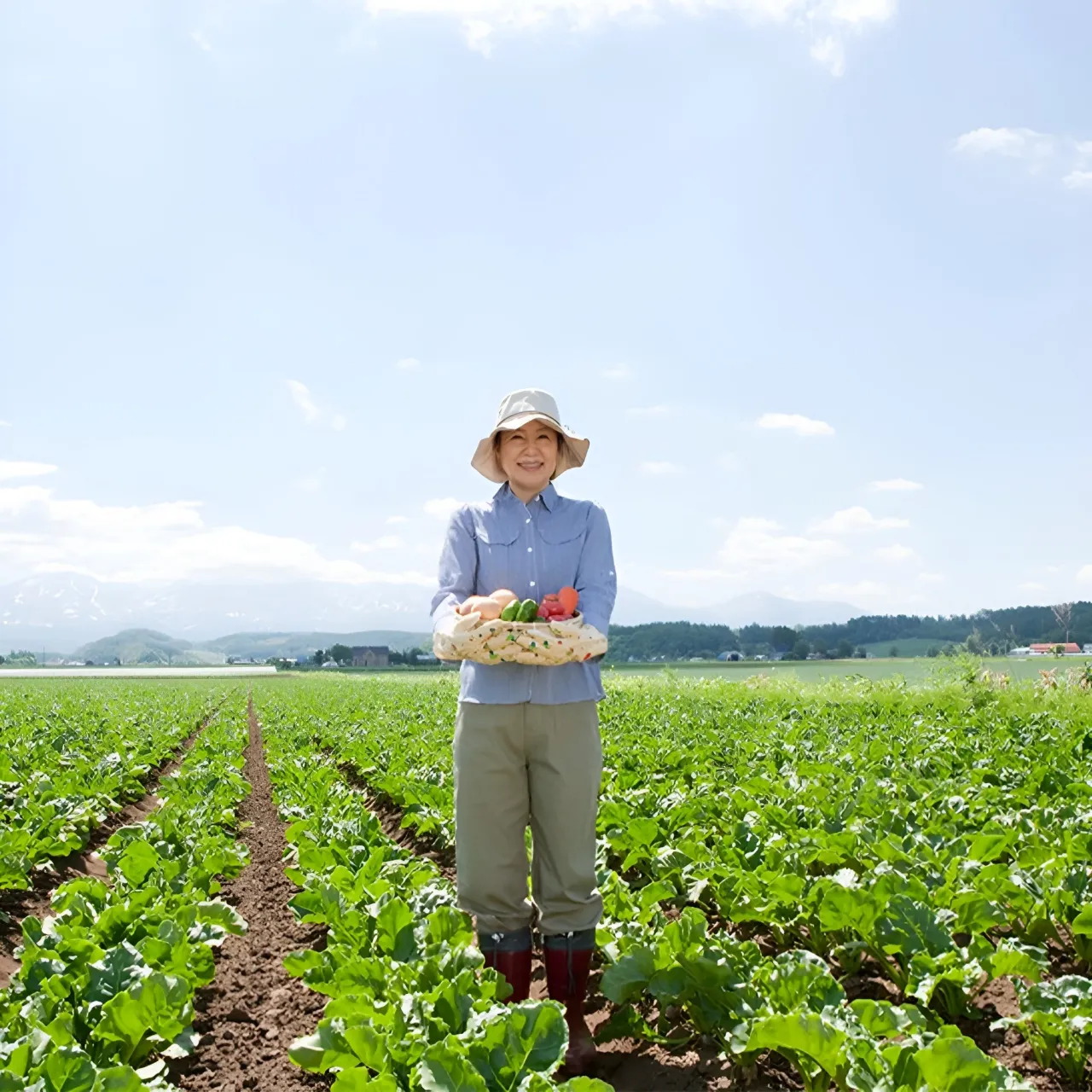
So God made a Farmer
A moving video clip that will make you appreciate farmers all the more. "God bless the seeds his hand let fall. For the farmer, he must feed us all." (Amelia E. Barr)

Support for sustainable agriculture
Studies show Biochar has many positive effects on the soil, including:
- Increasing the water penetration capacity and water grip
- Improving soil structure, tilth and stability
- Increased cation exchange capacity (CEC)
- Increased adsorption of ammonium, nitrogen, phosphate, and calcium ions
- Increased storage of nutrients over regular organic matter
- Increased nutritional value & quality of fruits and vegetables
- Improved buffering of soil pH and stability
- Increased diversity of soil bio-organisms
- Improved and denser root development
- Reduction of Fertilizer, especially nitrogen and phosphorus
- Reducing overall fertilizer requirements
- Reducing nitric oxide emissions by 50-80%
Biochar is a powerful material for improving the structure of the soil. Biochar can be a "significant reinforcement player" for increasing basic food security, a local supply chain, and a variety of crops in particular, in areas with poor soils quality, and limited resources in water. Increased soil fertility and agricultural yields as a result of the use of Biochar may also reduce the need for deforestation for agricultural purposes.
- Guide or documentTree of Life brochure
Recommendations before applying Biochar to crops, orchards, or vineyards for maximum benefits in a short time
Biochar alone may not provide sufficient benefits to plants and soil life, unless it is first inoculated or activated with nutrients and beneficial microorganisms prior to crop application. Please Note: Biochar may be applied directly to crops without inoculation, but it will take more time to realize all the short & long term benefits.
Inoculation of Biochar is a process of loading the Biochar with various substances that enhance its properties and functions in the soil. For food crops, inoculation of Biochar can increase crop yield, nutrient uptake, water retention, disease resistance and soil health. There are different methods of inoculating Biochar, such as composting, vermicomposting, compost tea, bacterial consortium and mycorrhizal fungi. The choice of inoculation method depends on the availability of materials, the type of Biochar, the crop and the soil conditions. Inoculation of Biochar before application to food crops is a recommended practice that can optimize the use of this valuable soil amendment.
It is highly recommended that before applying Biochar to crops it should be mixed with a good quality compost, or even better, first soaked in a specially prepared tea containing a full spectrum of plant nutrients and a cocktail of beneficial micro-organisms. This tea is prepared in large vats in which the Biochar, placed in large net bags, is dipped in to the tea mixture for a short time, and then removed and mixed with the compost. This mixture is then stored under a large tarp in the field and allowed to age for 30-60 days like a fine wine.
This process is called "Biochar Charging" or "Inoculation". Think of it like charging up a battery bank, and then discharging it over time only when needed to supply the plants requirements for water and nutrients. This will prevent the huge current waste of the majority of water and fertilizer now leaching into the soil and contaminating the ground water.
To learn more about the art and science of Biochar Inoculation, visit our partner organization K-Organics whom we cooperate & collaborate with in helping farmers/ranchers maximize and get the most out of our Premium Engineered Biochar product. We will provide each customer with a personalized Biochar Inoculation recipe most suited to the crop type and location for obtaining the best results.
The farmer would apply the Biochar or Biochar-compost in the most appropriate way for their soils and crops following the guidelines of the USDA Soil Carbon Amendment (808/336) conservation practice which also pays for farmers & Ranchers to apply Biochar to their crops and forest land. Typical applications might include: use of Biochar with nutrient sources at 400-1000 lbs per acre in pre-till or strip tillage of corn or soybeans; 400 lbs of Biochar with 1600 lbs of compost for application at 1-2 tons per acre in vineyards, orchards and row crops; or deep banding of Biochar at 1-10 tons per acre when seeding grains.
Ten dry tons applied to the top 6 inches of one acre will increase soil carbon by 1% which would increase water retention by approximately 26,000 gallons which in areas where there is drought, can mean the difference between crop success or failure, sustainable bounty, or famine.
Peer review journal articles on the subject
- Biochar: A Sustainable Approach for Improving Plant Growth and Soil Properties
- A Review of Biochar Properties and Their Utilization in Crop Agriculture and Livestock Production
- Application Research of Biochar for the Remediation of Soil Heavy Metals Contamination: A Review
- Benefits of Biochar Addition in a Sustainable Agriculture Practice: Soil Nutrients Dynamics, Enzyme Activities and Plant Growth
- Biochar: Agronomic and environmental potential in Brazilian savannah soils
- Biochar as a sustainable alternative to açaí waste disposal in Amazon, Brazil
- Biochar: A Synthesis of Its Agronomic Impact beyond Carbon Sequestration
- Biochar: A Vital Source for Sustainable Agriculture
- Biochar organic fertilizers from natural resources as substitute for mineral fertilizers
- Biochar production and applications in soil fertility and carbon sequestration – a sustainable solution to crop-residue burning in India
- Biochar Role in the Sustainability of Agriculture and Environment
- Biochar soil amendment for sustainable agriculture with carbon and contaminant sequestration
- Characterization of Biochar Obtained from Olive and Hazelnut Prunings and Comparison with the Standards of European Biochar Certificate (E.B.C.)
- Effect of Biochar on Yield and Yield Components of Wheat and Post-harvest Soil Properties in Tigray, Ethiopia
- Biochar in agriculture – A systematic review of 26 global meta-analyses
- Impact of biochar amendments on the quality of a typical Midwestern agricultural soil
- Impact of biochar use on agricultural production and climate change. A review
- Overview of the use of biochar from main cereals to stimulate plant growth
- Review Paper: The Fundamentals of Biochar as a Soil Amendment Tool and Management in Agriculture Scope: An Overview for Farmers and Gardeners
- Role of biochar in promoting circular economy in the agriculture sector. Part 2: A review of the biochar roles in growing media, composting and as soil amendment
- Sustainable biochar to mitigate global climate change
- The role of biochars in sustainable crop production and soil resiliency