Algae removal program with Biochar
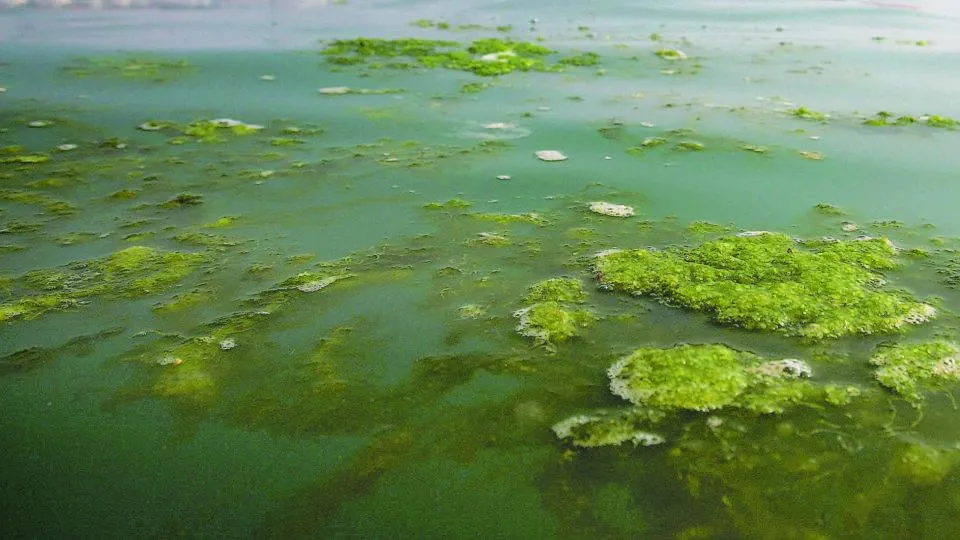
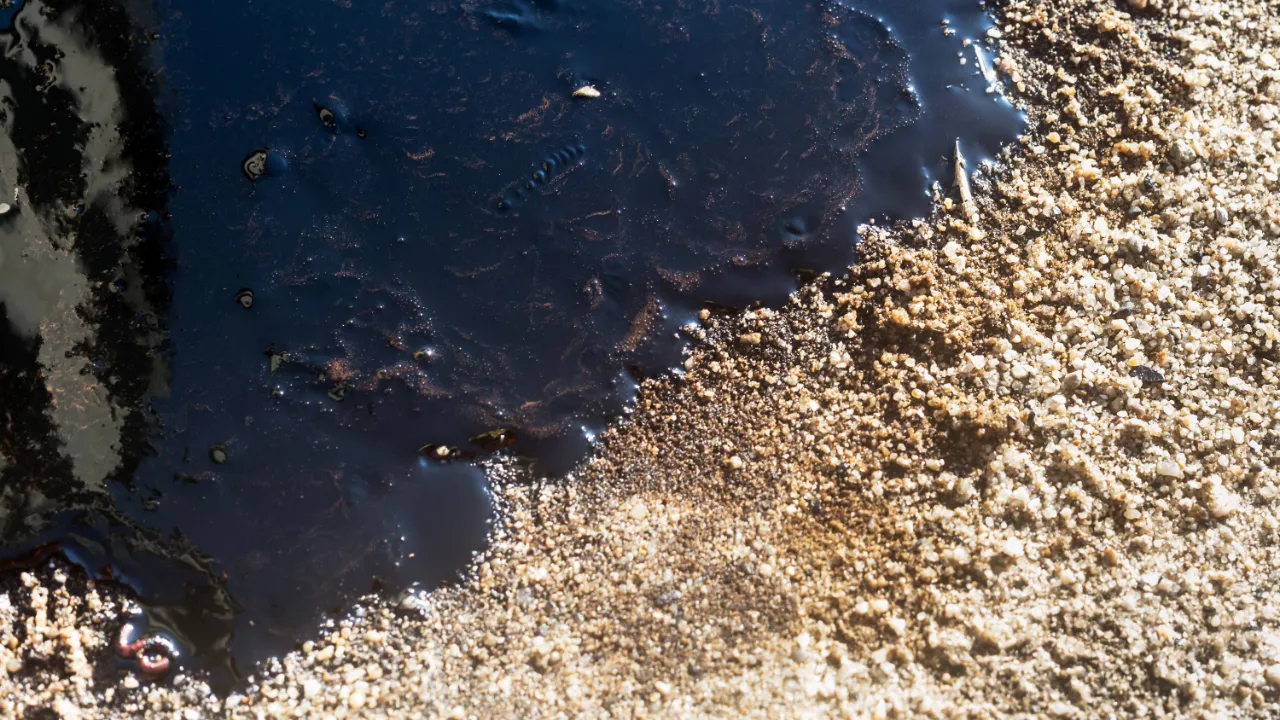
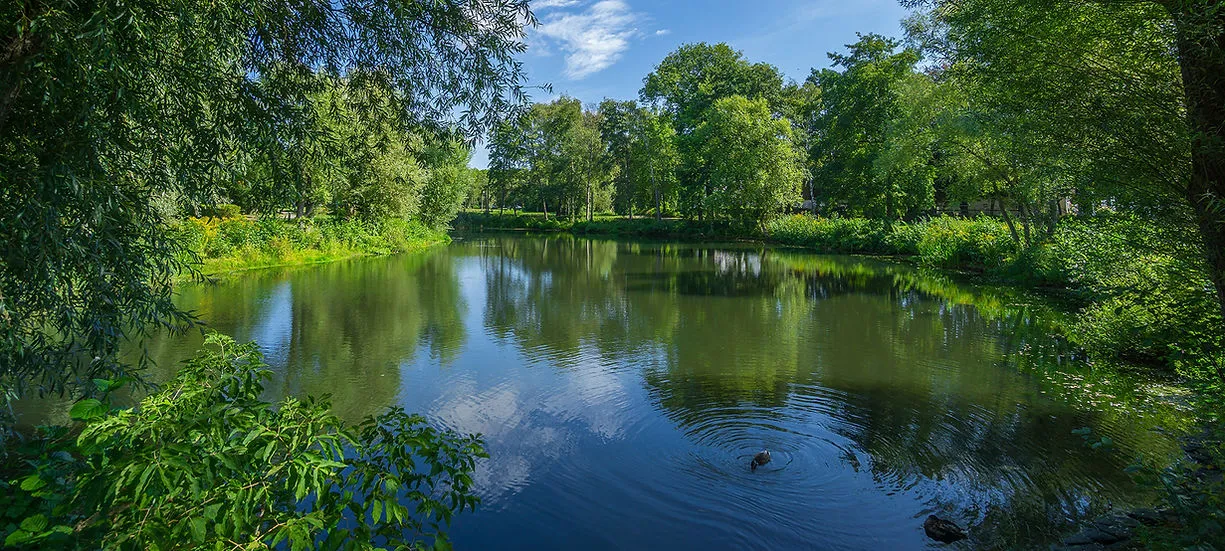
One of the benefits of Biochar is its ability to remove pollutants from water bodies, such as algae blooms, heavy metals, and other toxic chemicals. Biochar can act as a filter, adsorbent, or catalyst to capture and degrade these contaminants. For example, Biochar can reduce the excess nutrients that cause algae blooms by binding them to its surface or enhancing microbial activity. Biochar can also immobilize heavy metals and other toxic chemicals by forming complexes or altering their speciation and thus encapsulating them indefinitely. By applying Biochar to ponds, lakes, reservoirs, and rivers it is possible to substantially improve water quality and restore aquatic ecosystems.
Independent lab reports of results:
- ReportLake algae bloom remediation: independent results (Croke final presentation)
The following illustrations represent our step-by-step process for remediation of algae, heavy metals, and other toxic chemicals from ponds, lakes, rivers, and reservoirs.
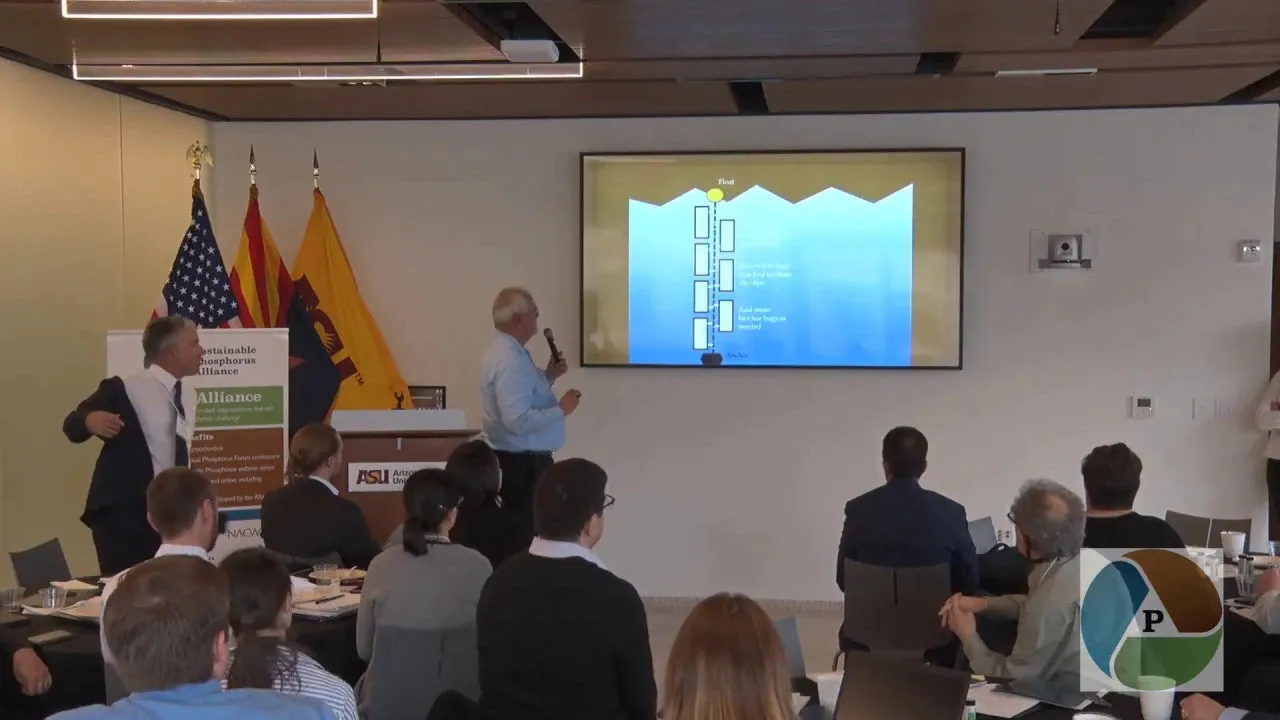
James Gaspard's presentation on the Biochar Now algae removal program
- PresentationPatented algae bloom remediation program
- PresentationRemoval of mercury from contaminated water and soil: a project of the DuPont company
- ReportSilver Lake 2023: aquatic vegetation, water quality and management recommendations, with biochar efficacy results
Peer review journal articles on the remediation of water from toxic substances
- Application of Biochar as Functional Material for Remediation of Organic Pollutants in Water: An Overview
- Assessment of addition of biochar to filtering mixtures for potential water pollutant removal
- Biochar as adsorbent in purification of clear-cut forest runoff water: adsorption rate and adsorption capacity
- Biochar as Sustainable Alternative and Green Adsorbent for the Remediation of Noxious Pollutants: A Comprehensive Review
- Biochar for removal of dyes in contaminated water: an overview
- Biochar for Wastewater Treatment—Conversion Technologies and Applications
- Biochar from A Freshwater Macroalga as A Potential Biosorbent for Wastewater Treatment
- Biochar in Nutrient Recycling—The Effect and Its Use in Wastewater Treatment
- Biochar in water and wastewater treatment - a sustainability assessment
- Porous Biochar Materials for Sustainable Water Treatment: Synthesis, Modification, and Application
- The Mechanistic Route for the Removal of Heavy Metals with Biochar