The branches
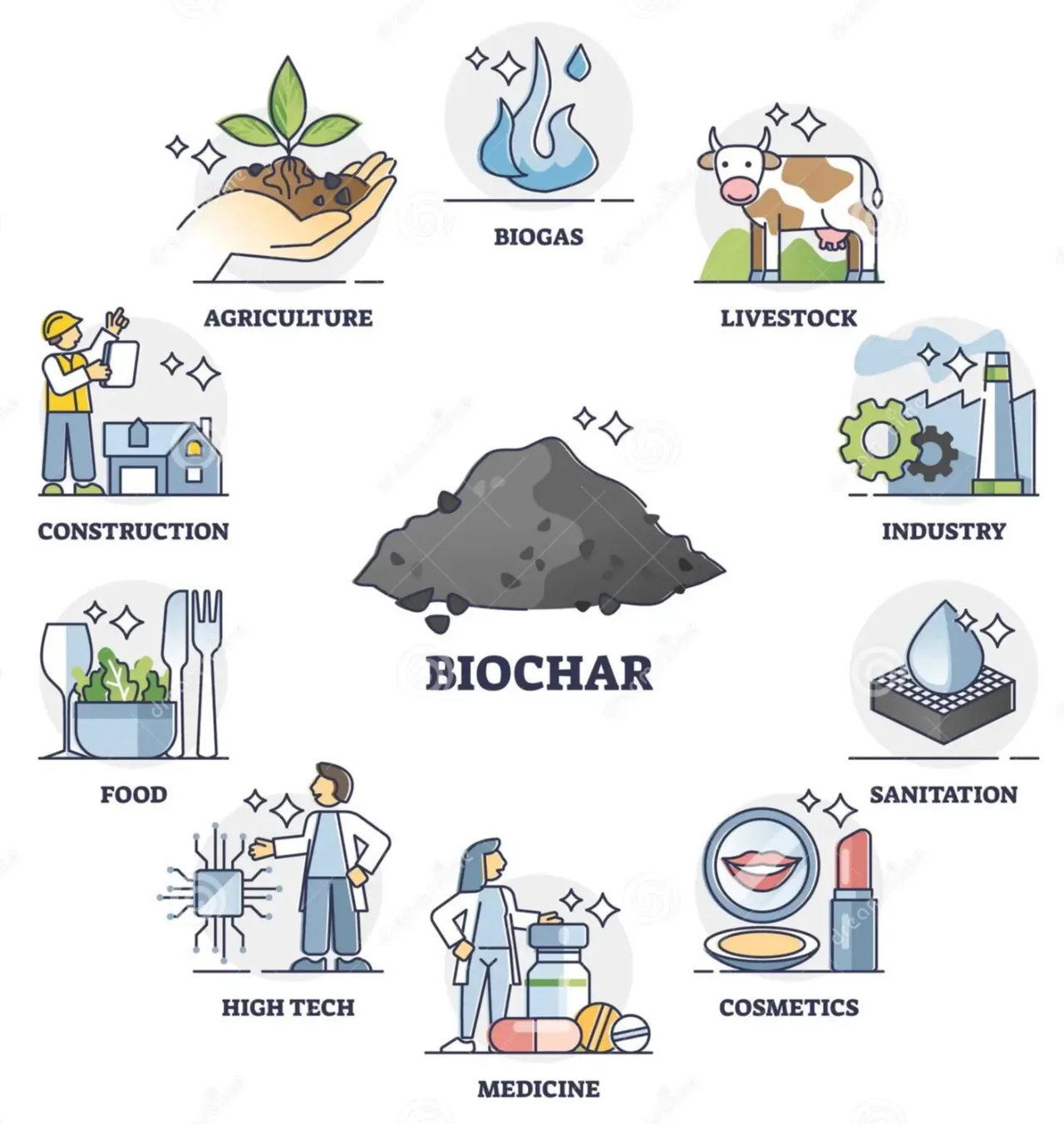
One stable carbon matrix, more than 140 known uses. It holds on to water, air, metals and organic chemicals, and its thermal and electrical properties are still being explored.
Biochar will become an ubiquitous commodity used in agriculture, materials and a myriad of other applications driven by its broad utility, plentiful supply, low cost, and a negative carbon footprint.
The many uses and applications for our premium engineered biochar
Tree of Life counts more than 140 known use cases for engineered biochar. A widely cited independent list catalogs 55 uses of biochar (since extended to 60), with more being discovered every month. For a sample of peer-reviewed abstracts of new findings leading to practical applications, see the International Biochar Initiative's 2022 research papers digest.
It turns out that the stable carbon matrix that our Biochar is made of, has all kinds of interesting & unique properties. This carbon matrix can hold on to things – water, air, metals and organic chemicals, and it also has unique thermal and electrical properties that are still being explored.
With so many different properties, our Biochar is bound to have a lot of different uses, many yet to be discovered. It is truly one of the most versatile materials known to man, no wonder it is considered and being called the "New Black Gold".
Tree of Life Biotechnology has an extensive R&D IP pipeline which include: extraction of atmospheric water vapor (Water from Air), a replacement for concrete & cement which can also be utilized in 3D home printers, a superior replacement for copper wire, a natural supplement product which can detox the body of harmful chemicals & heavy metals, and a few other applications which are now highly confidential.
Soil and food
Living soil, stronger crops and healthier animals.
Regenerative agriculture
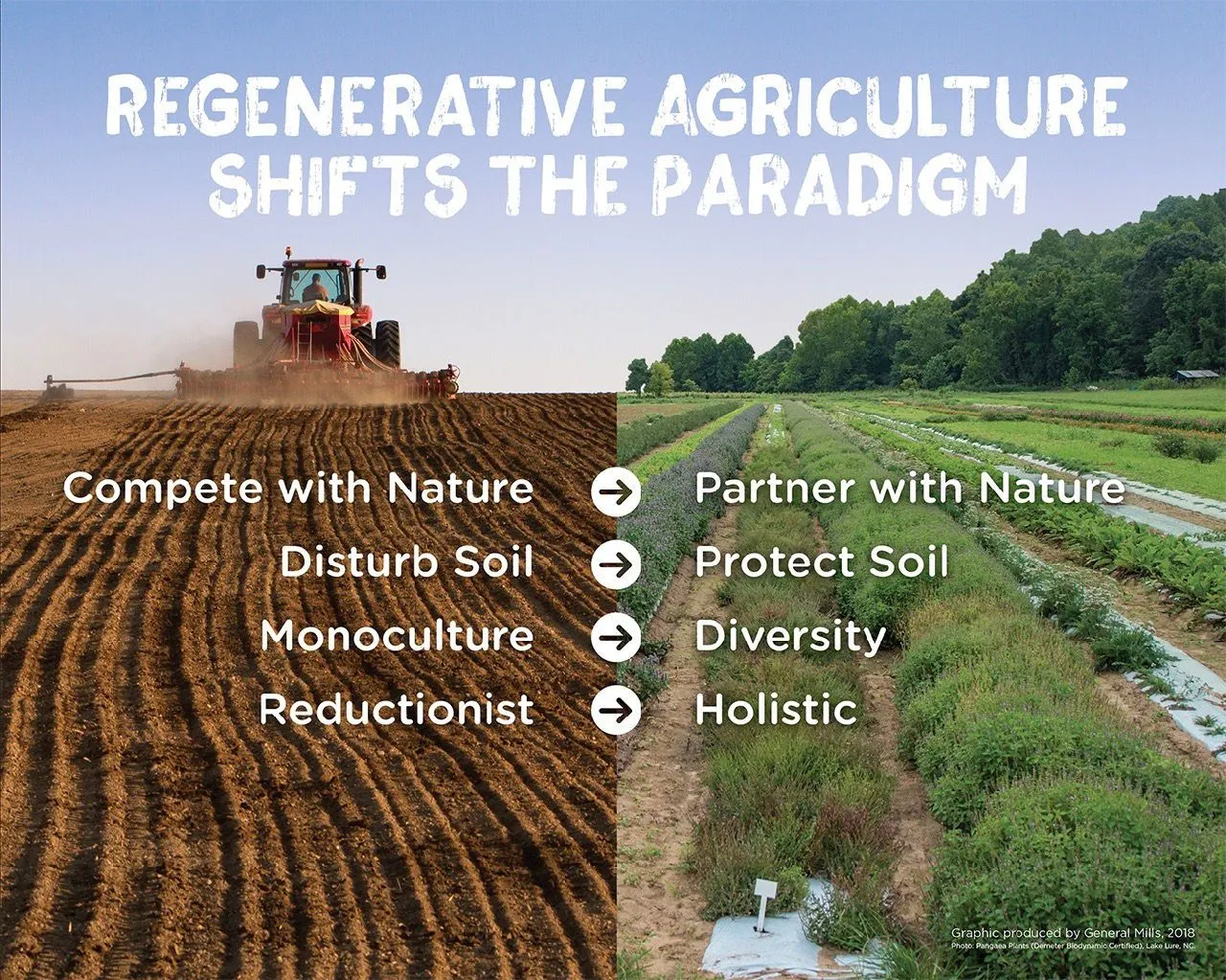
Studies confirm that Biochar-enriched soils grow larger and healthier plants with a larger crop, especially in inferior quality soils, due to weather damage, and floods. In fact, Biochar users report that their financial expenses for use of our Biochar are paid during the first year due to an increase in revenue from the increased yields as well as decrease in the inputs for water, fertilizer, and pesticides per acre.
Explore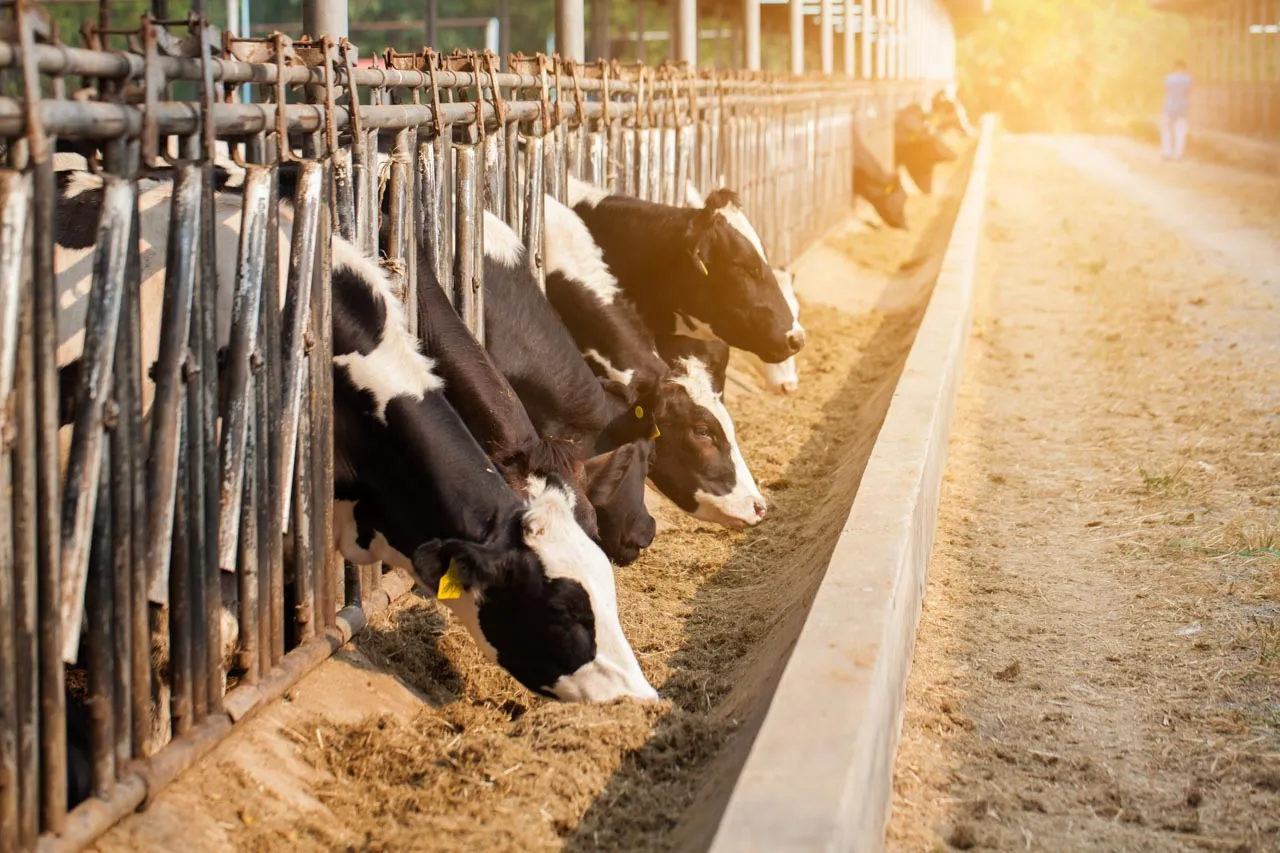
Farm animal feed supplement
At present some 90% of the Biochar produced in Europe is marketed as an animal food supplement where 1% Biochar Powder is mixed in with the animal feed. Studies have shown that when used as a dietary supplement for cows and chickens substantially improves their health, 25% faster increase in the weight of the animals, increases milk production and the laying of quality eggs, reduction or elimination of the need for antibiotics & growth hormones.
Explore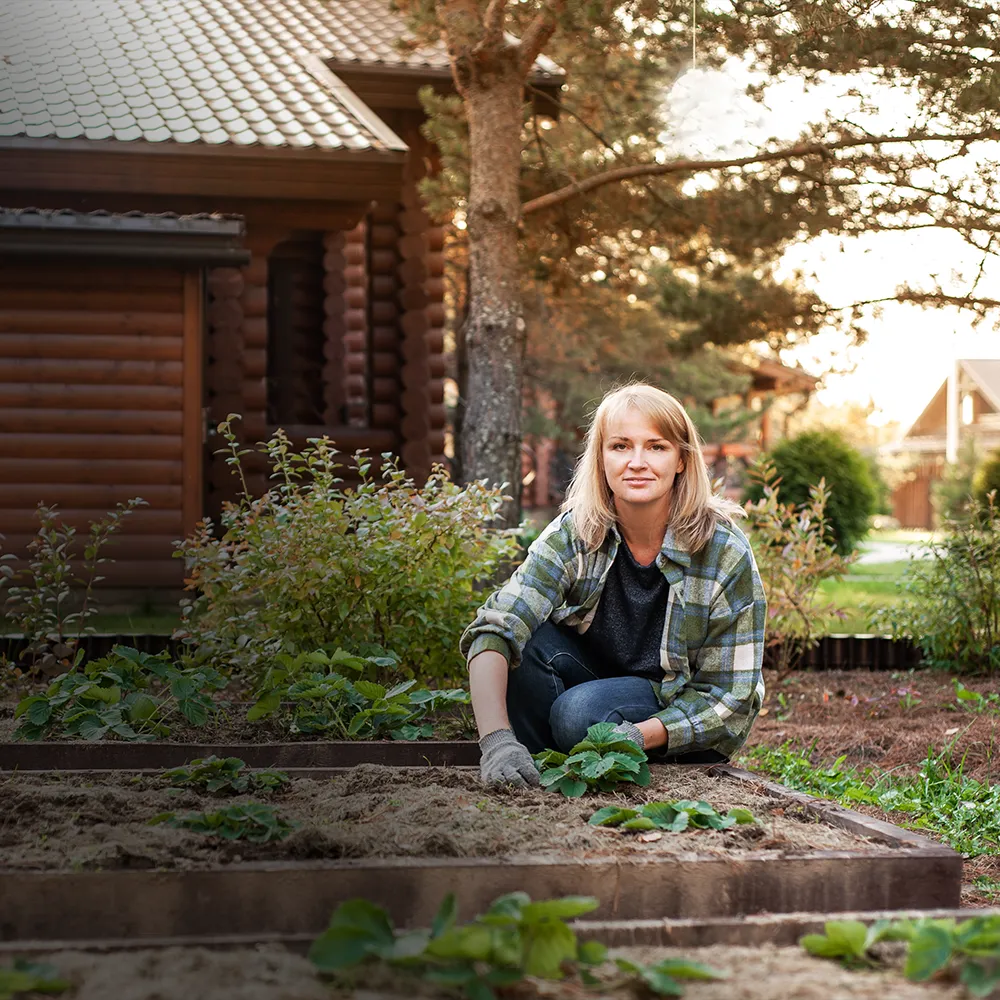
Home gardening
Home gardening is a vital step towards independence from unreliable food supply chains. Biochar turns dirt into living soil.
ExploreWater and land repair
Binding what should not be in water, soil or air.
Oil and chemical spill remediation
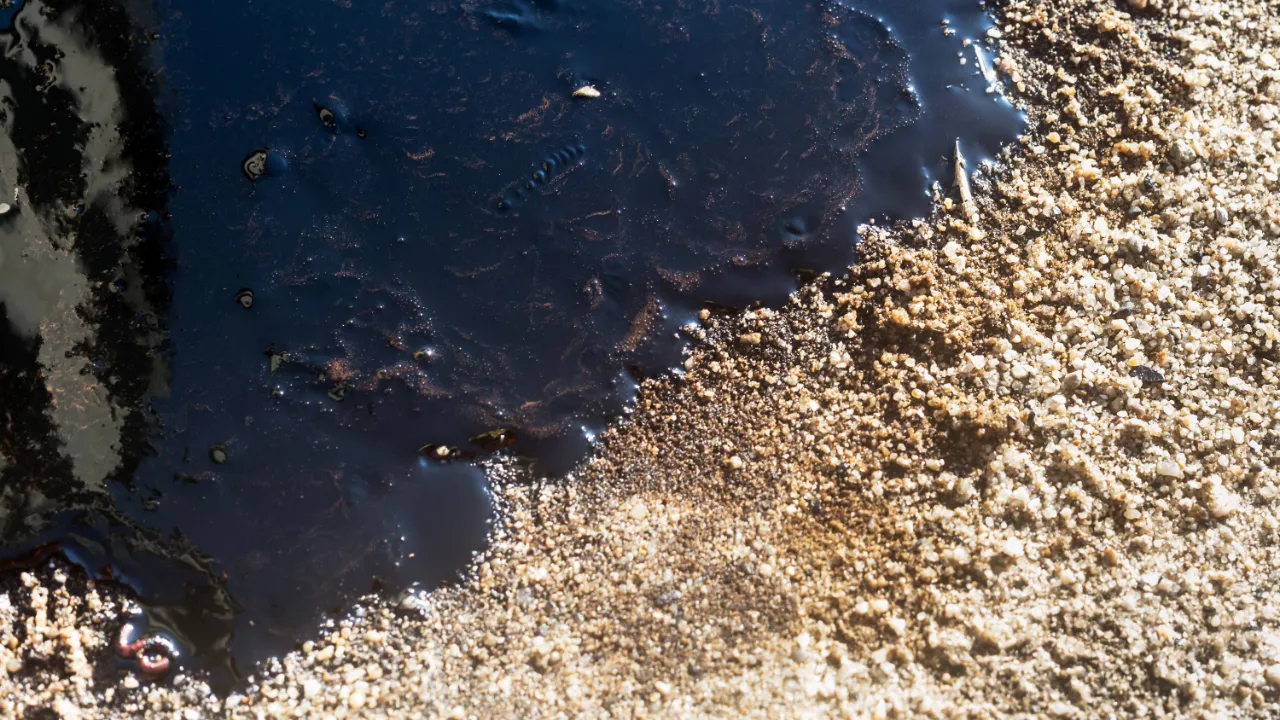
Due to the physical, chemical, and electrical properties of our Premium Engineered Biochar among them being both cationic & anionic allows the efficient capsular fixation of heavy metals and chemical contaminants in soil and water remediation projects. Our Biochar is the only product available at this time which has EPA approval for "In-situ sequestration", so it is a "sequester and forget" product with US Government Lab certification as having a 17,000 year half-life.
Explore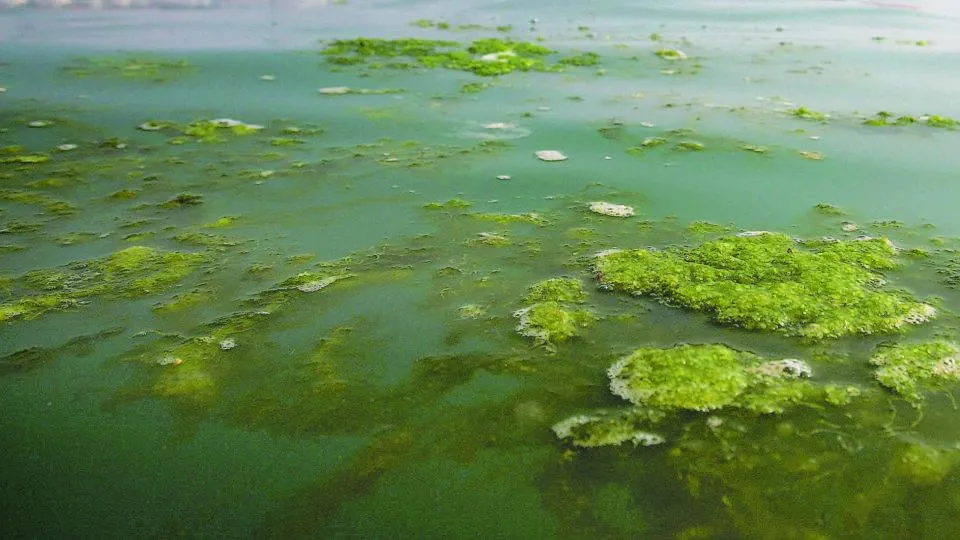
Algae bloom remediation
One of the benefits of our Biochar is its ability to remove pollutants from water bodies, such as algae blooms, heavy metals, and other toxic chemicals and thus encapsulating them indefinitely. By applying Biochar to ponds, lakes, reservoirs, and rivers it is possible to substantially improve water quality and restore aquatic ecosystems.
Explore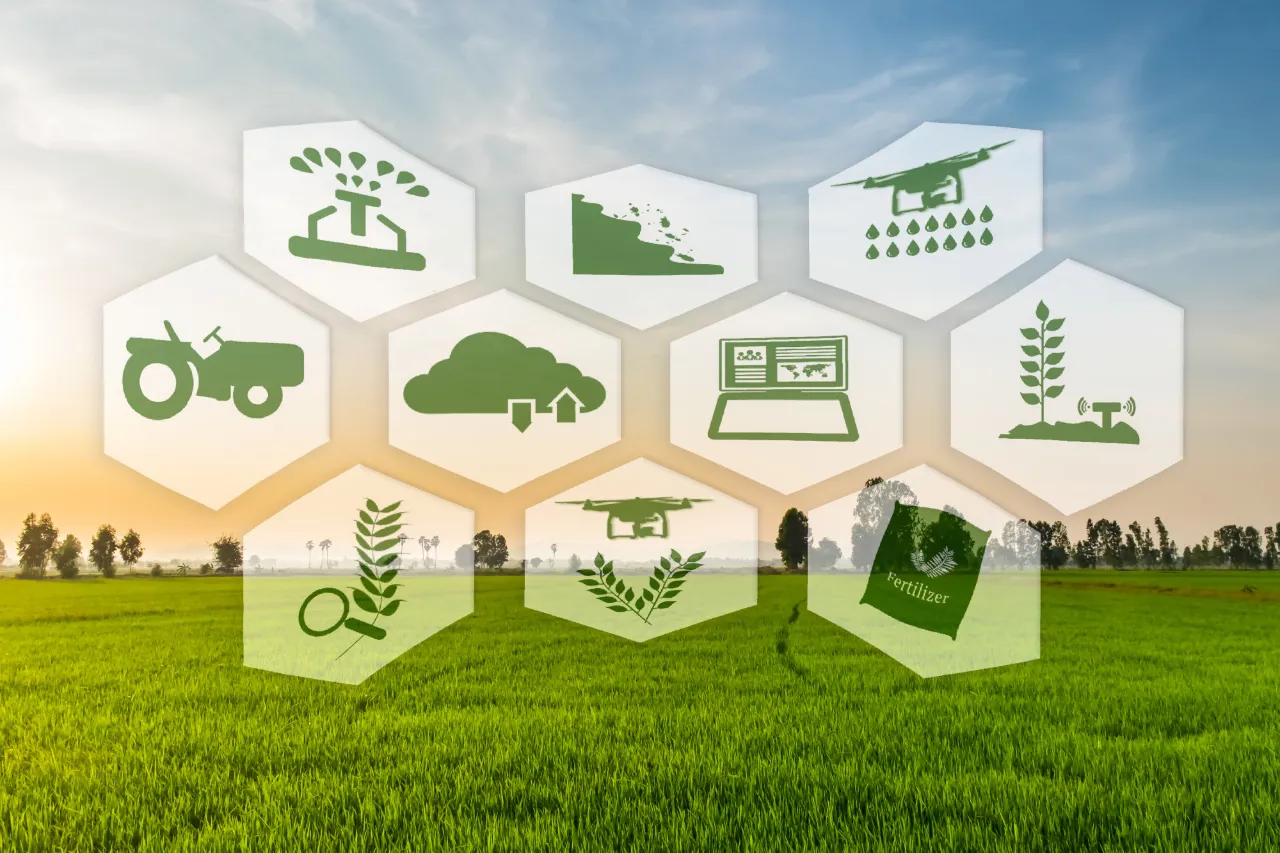
Odor management and control
One of the many benefits of Biochar is that it can reduce or eliminate bad odors from various sources, such as animal manure, compost, wastewater and landfill. By applying premium Biochar to the source of the odor, it can trap and retain the odor-causing molecules, preventing them from escaping into the air.
Explore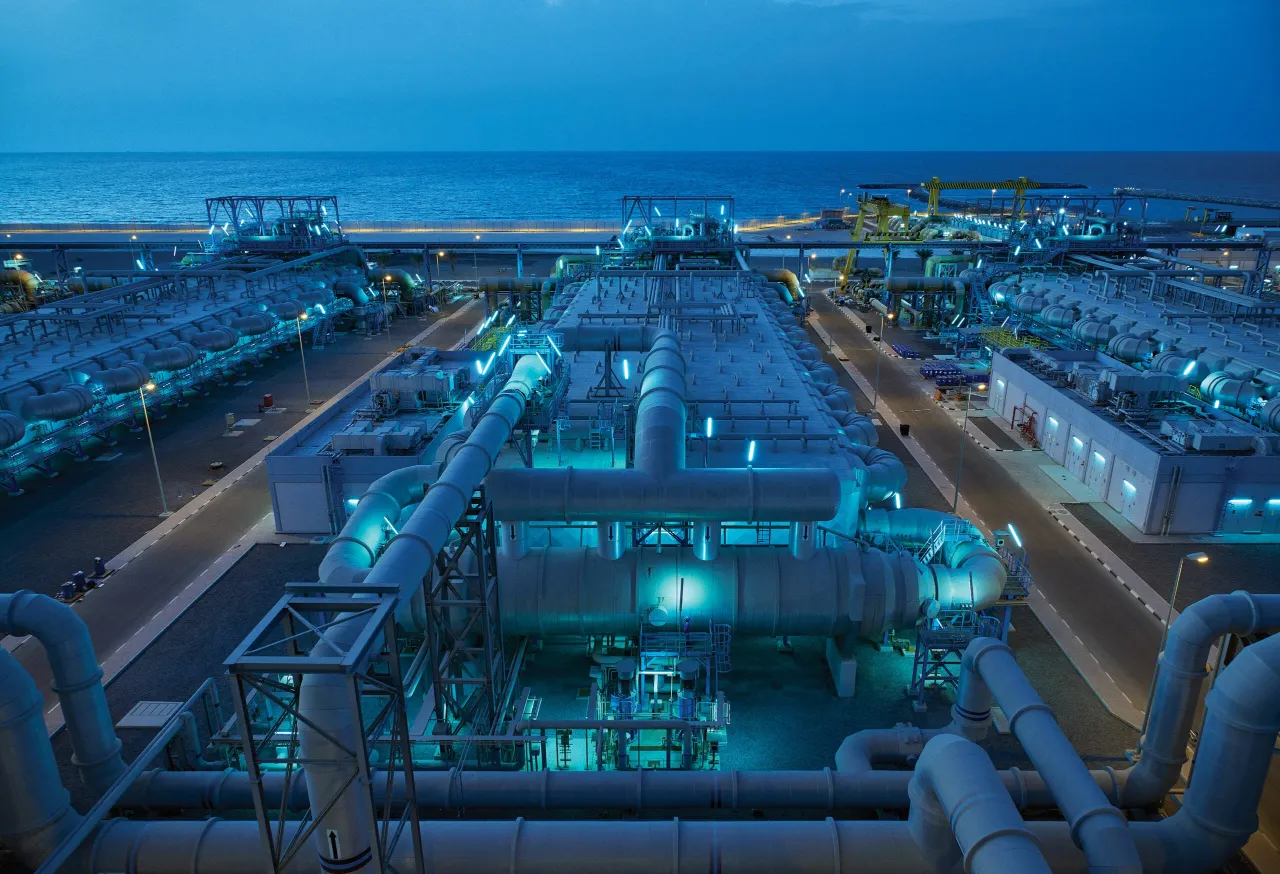
Desalination of seawater
With the growing development of modern society, the demand for freshwater is increasing. Although three-quarters of the earth's surface is covered by water, less than 3% of it is available for plants, animals, and human life activities. Even so, fresh water is unevenly distributed across the planet, resulting in inadequate water supplies in many areas. It is supposed by the World Health Organization (WHO) that about half of the world's population will face a lack of freshwater resources by 2050.
ExploreThe built world
Carbon locked into the materials we build with.
Concrete industry
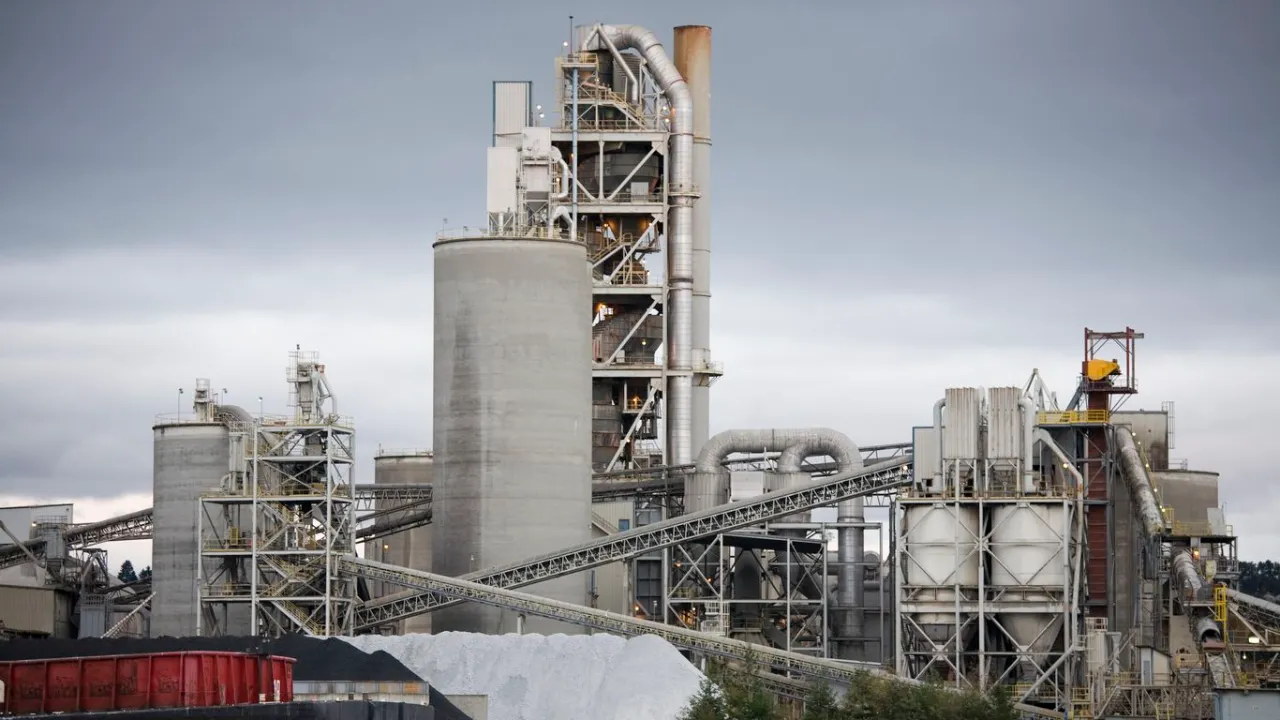
The use of Biochar as an additive to concrete and cement can revolutionize the construction industry. The addition of Biochar imparts many new qualities such as increased compressive strength, tensile strength, and fracture toughness, decreasing weight by up to half, acts as an insulator, moisture barrier, blocks harmful EMF, is carbon negative, and can sequester large amounts of carbon which qualifies for receiving carbon credits which will further reduce and offset construction costs.
Explore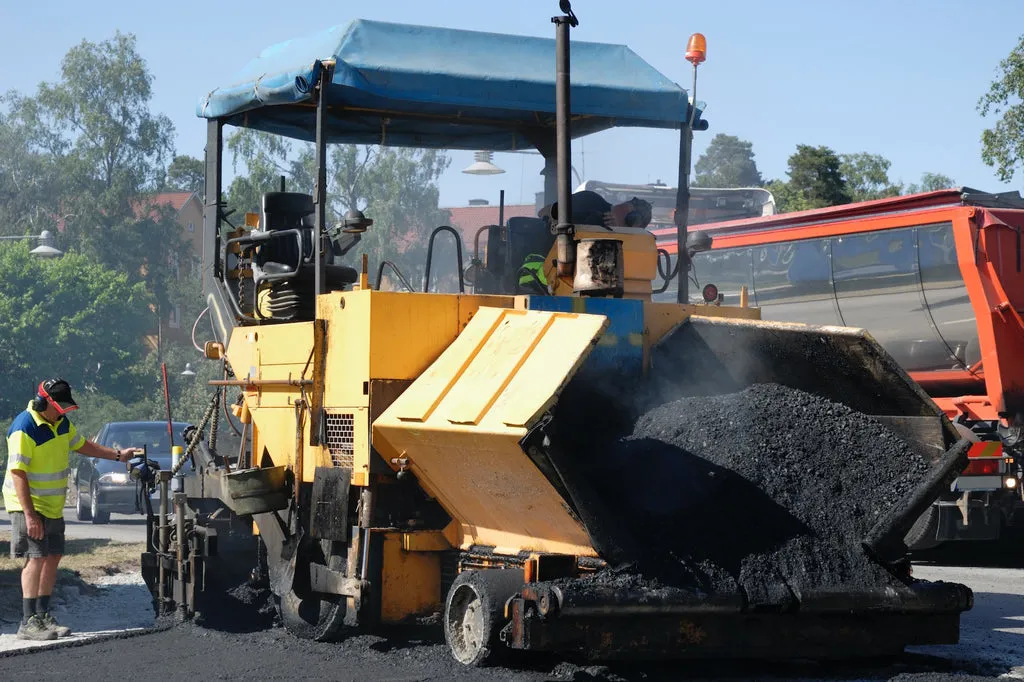
Asphalt industry
When added to asphalt for roads Biochar will revolutionize the way we build roads and highways. The addition of Biochar can improve the durability and increase the service life of asphalt pavement, reducing construction and maintenance costs over the complete life cycle of the asphalt pavement, which has significant economic and social value. It can also sequester up to 30 tons of Biochar into 1 kilometer of road thus creating 90 tons of carbon credits which can be sold thus further offsetting costs.
Explore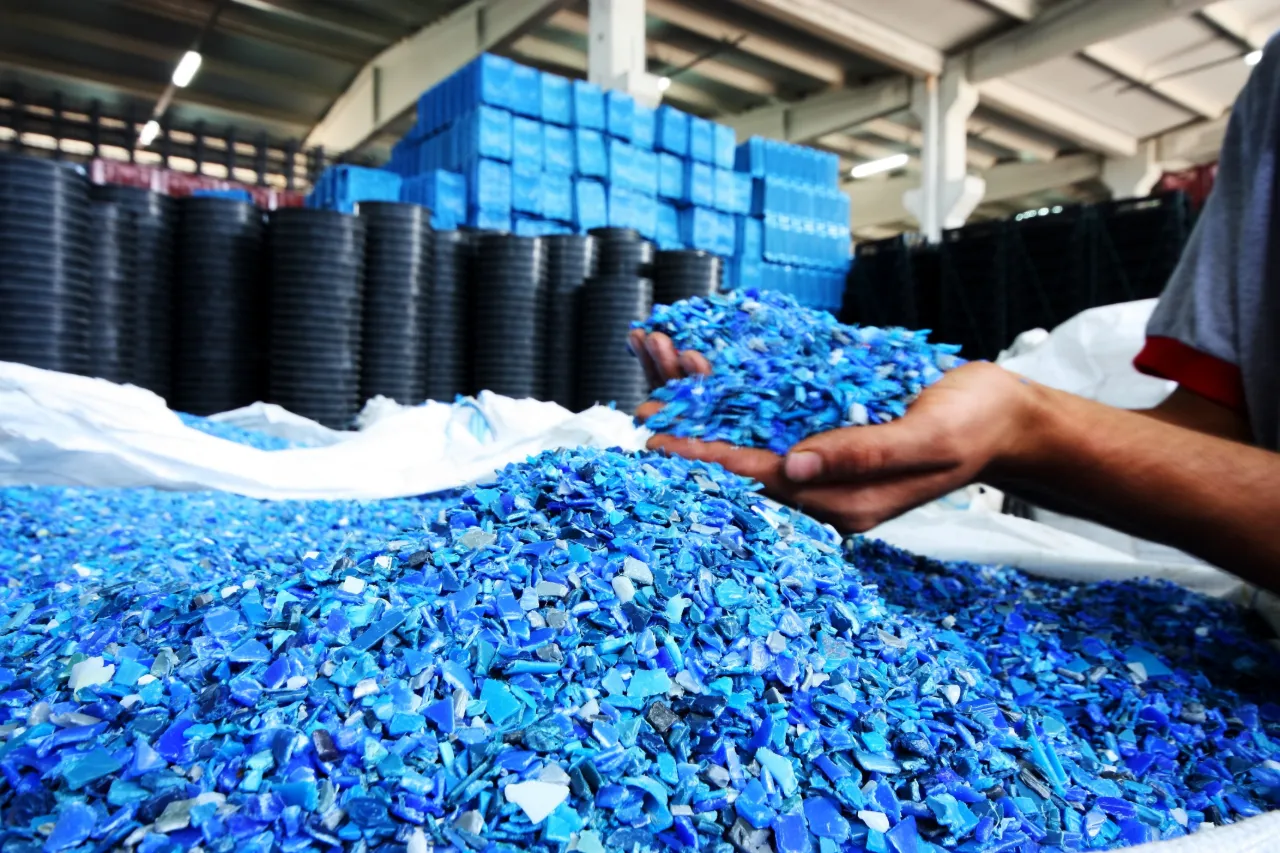
Plastics industry
Biochar is a promising additive for plastics and polymers that can improve their performance, functionality, and sustainability. Biochar can improve the mechanical properties of plastics and polymers, such as tensile strength, modulus, and toughness, by acting as a reinforcing filler. It also increases its resistance to heat.
Explore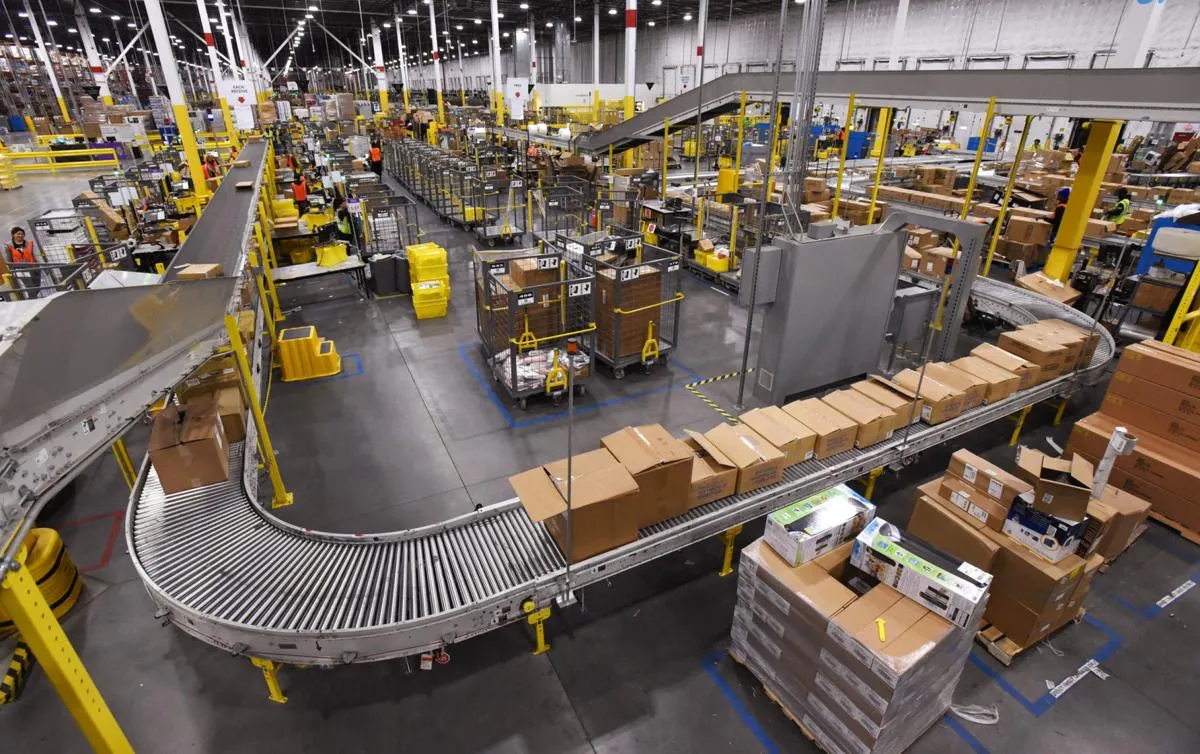
Cardboard box and paper products
The addition of our Biochar Powder product to cardboard box pulp can substantially increase strength and durability as well as resistance to heat while making it carbon negative. This is a game changer for this industry.
ExploreEnergy, carbon and health
Storage, credits and research at the frontier.
High capacity energy storage
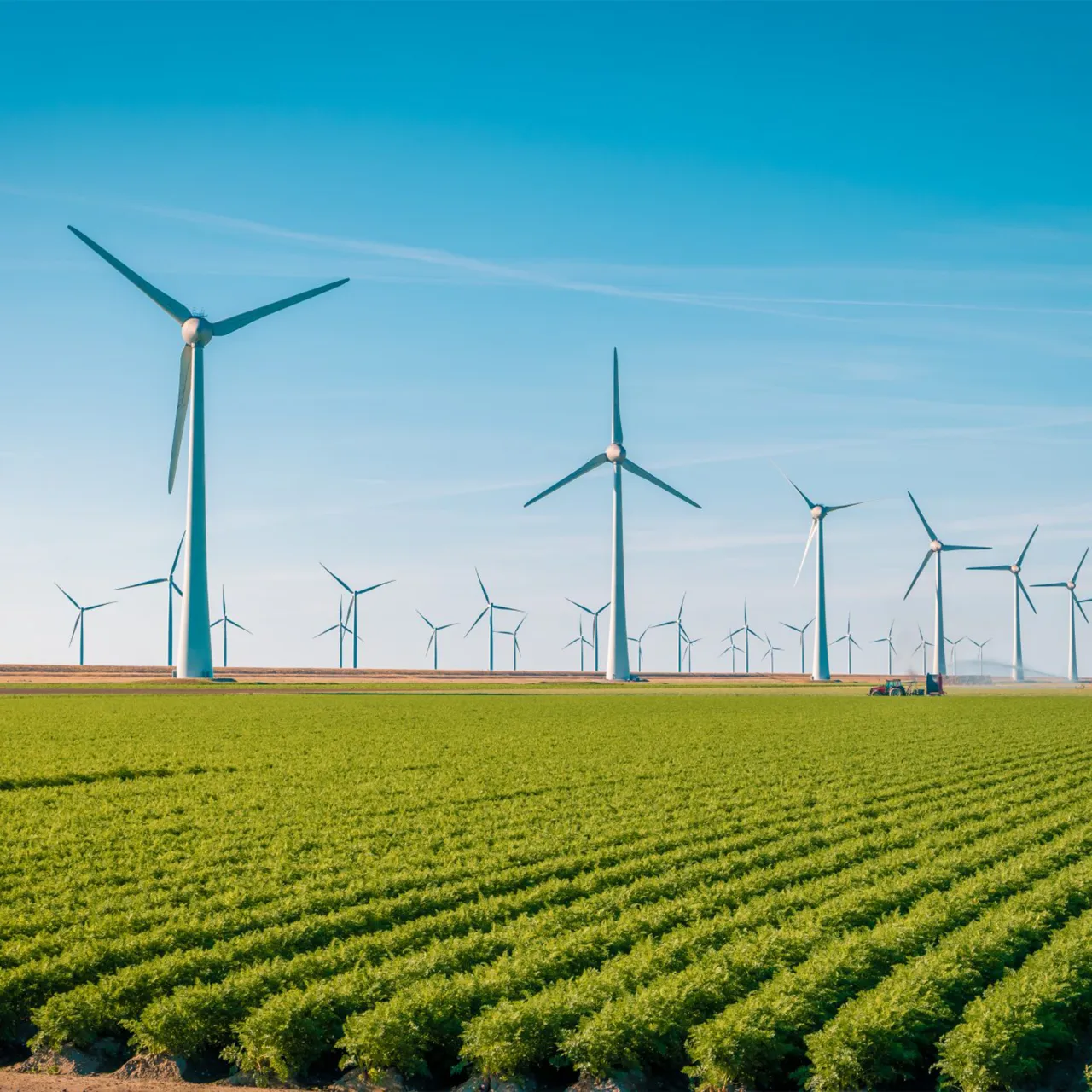
Biochar plays a significant role in the high-capacity energy storage industry, particularly in the development of low-cost green batteries and hydrogen fuel cells. Due to the very high active surface area and being both cationic & anionic makes our Biochar capable of being utilized as both the cathode and anode.
Explore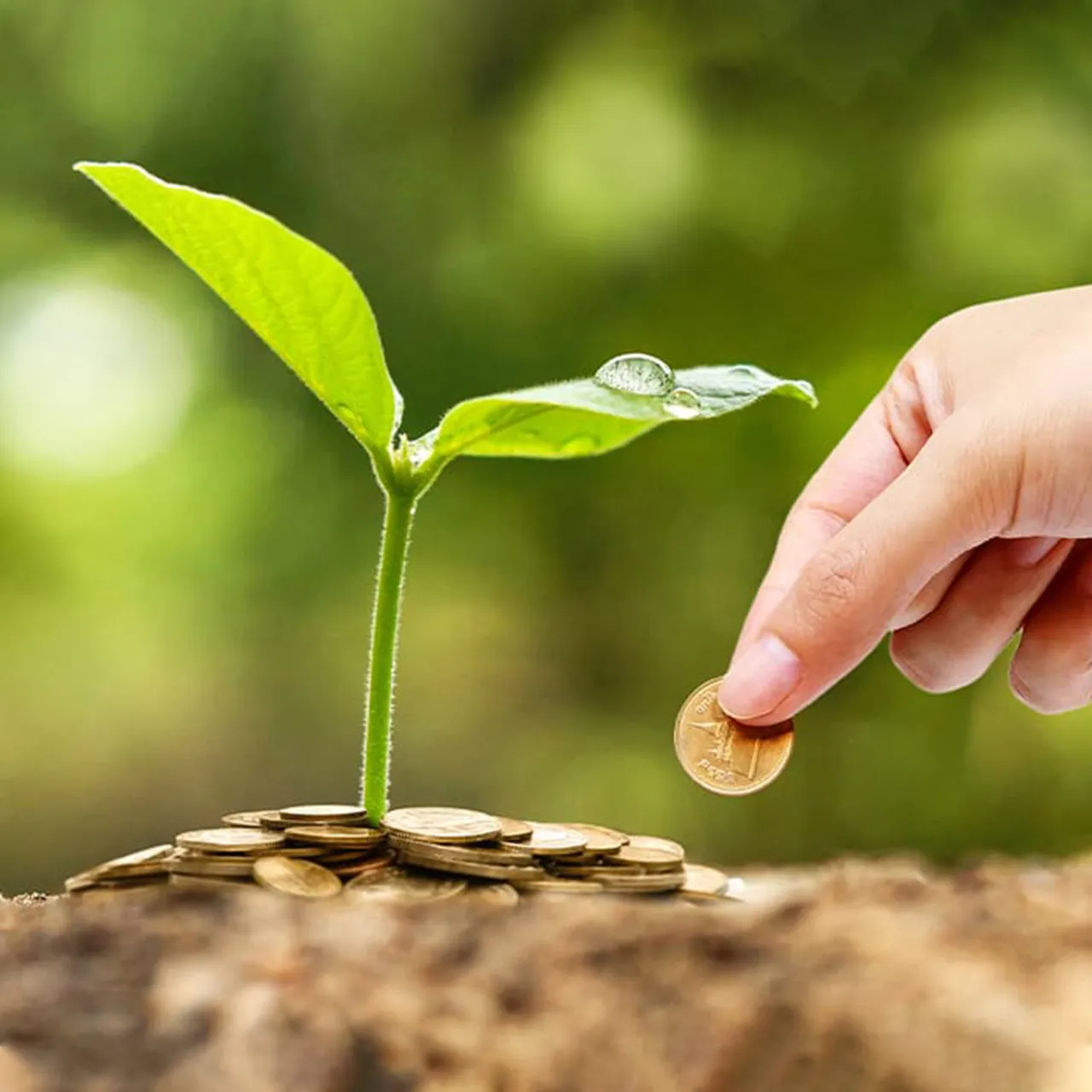
Carbon credits
For every ton of our Biochar produced, 3.2 tons of CO2 offsets are created, making our Biochar an excellent tool for carbon sequestration. Our Biochar is the only one in the world to date whose Biochar quality and the carbon credits it produces are verified, certified, and insured by a major global insurance company, and also has certified Carbon Life Cycle Analysis.
Explore
Medical and healthcare
Biochar has many emerging applications in the medical and healthcare industries due to the physical, chemical, and electrical properties of our Premium Engineered Biochar among them being both cationic & anionic as well as having a very large active surface area. Because of our unique proprietary patented manufacturing process, these qualities are possessed only by our Biochar.
ExploreThe research behind every branch
143 papers, lab reports, presentations and guides, sorted by use.