Additive for plastics
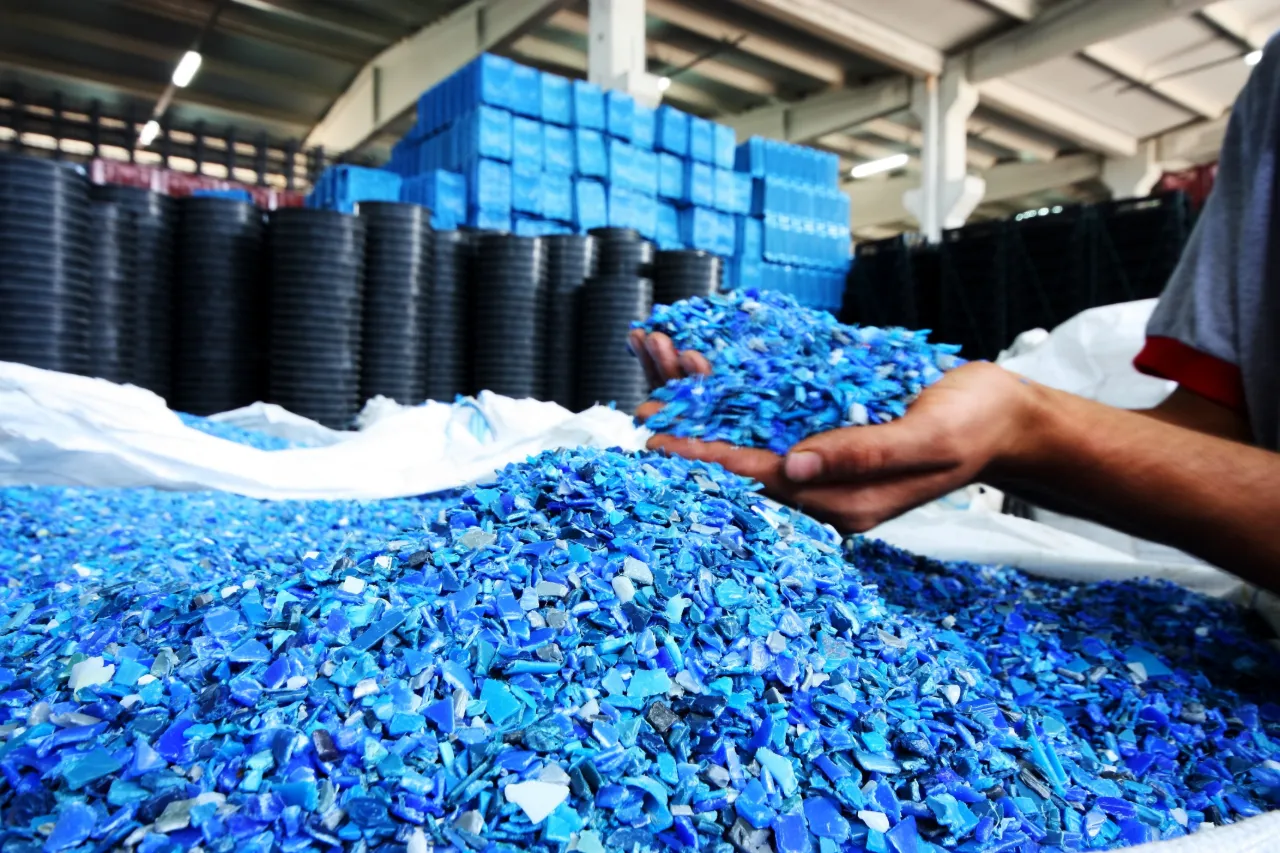
Biochar is a carbon-rich material derived from the pyrolysis of biomass waste in an oxygen-limited environment. It has been recognized as a negative emission technology that can sequester carbon and mitigate climate change.
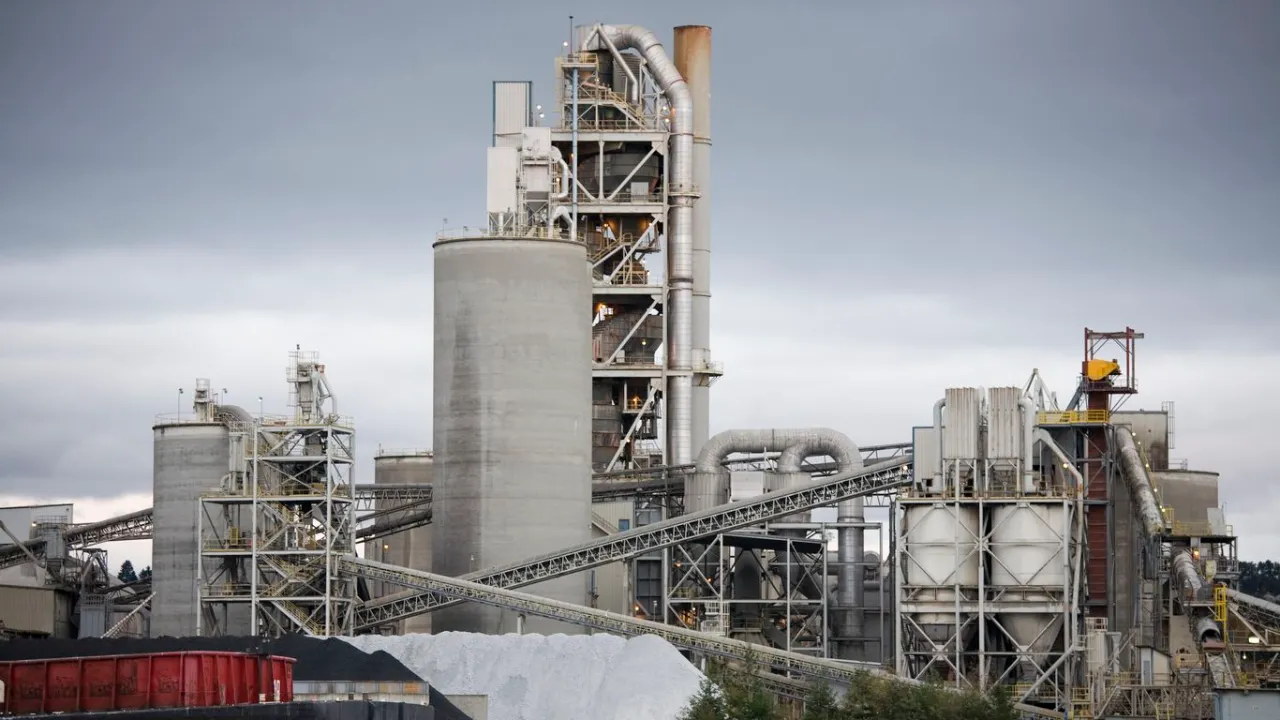
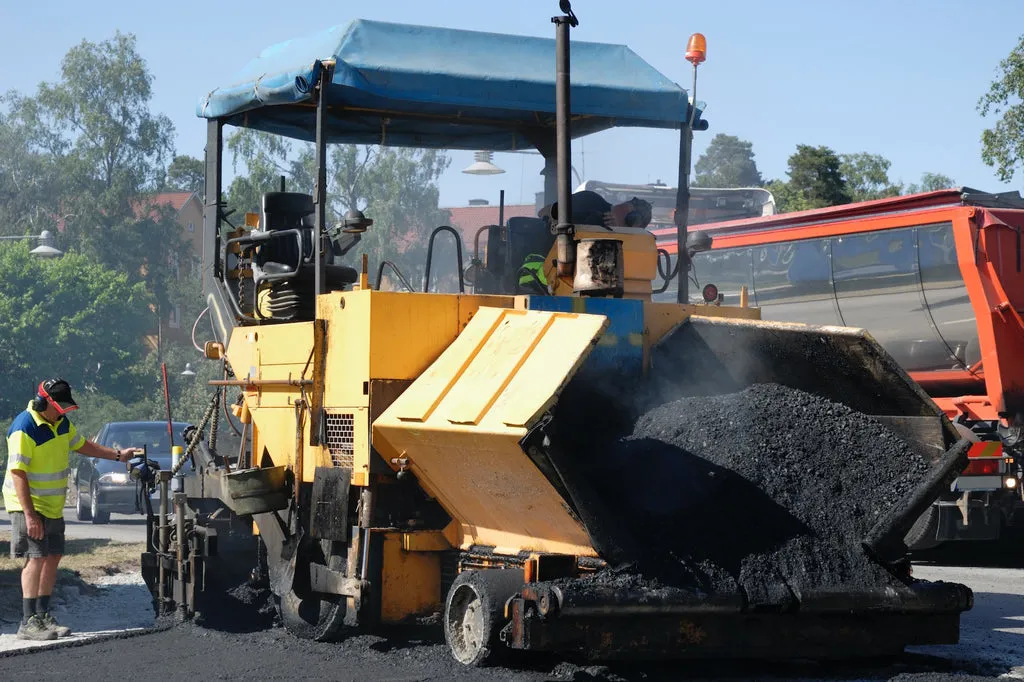
Biochar can also be used as a valuable additive for various construction materials, such as plastics, polymers, concrete, cement, and asphalt. Biochar can enhance the properties and performance of these materials by providing nucleation sites for chemical reactions, reducing weight and density, increasing strength and durability, improving thermal insulation and humidity regulation, and offering additional benefits such as air/water purification, electromagnetic shielding, and self-sensing.
However, not all Biochar's are suitable for construction materials or other high end technological applications. The quality and characteristics of Biochar highly depend on the feed-stock type, pyrolysis conditions, and post-treatment methods. Therefore, it is important to use only premium engineered Biochar that has been optimized for specific construction purposes. Premium engineered Biochar should have a high carbon content, a very porous structure, a large functionalized surface area, and a compatible particle size for the intended application.
Using our premium engineered Biochar, will ensure the optimal performance and sustainability of construction materials products or your manufacturing requirements for your particular industry, whether it be the plastics/polymer industry, concrete/cement/construction industry, asphalt industry, or any other industry requiring premium engineered Biochar; such as for its use in green energy storage devices, fuel cells, or pharmaceutical grade Biochar which has a number of amazing applications in medicine.
Tree of Life Biotechnology and our partner Biochar Now are working extensively with our scientists and engineers as well as other industry leaders in developing new applications for premium Biochar, and improving on many of the existing ones. We have an extensive IP pipeline on a wide range of new applications.
If your company is interested in exploring the many uses of our premium engineered Biochar in any of the above applications, or in any contemplated new ones, please send us an email or give us a call, and we will be more than happy to cooperate & collaborate with you in meeting your needs & requirements.
Biochar as an additive and filler for plastics & polymers
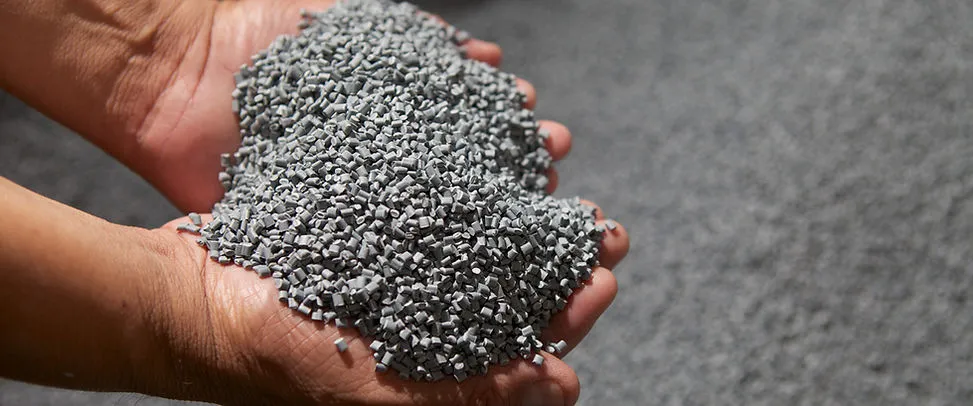
Biochar is a carbon-rich material derived from the pyrolysis of biomass. It has been widely used as a soil amendment, but it can also offer many benefits to plastics and polymers. Some of these benefits are:
- Biochar can improve the mechanical properties of plastics and polymers, such as tensile strength, modulus, and toughness, by acting as a reinforcing filler.
- Biochar can enhance the thermal stability and flame retardancy of plastics and polymers, by reducing the heat release rate and smoke production during combustion.
- Biochar can impart electrical conductivity and electromagnetic shielding to plastics and polymers, by forming a percolating network of carbon particles within the matrix.
- Biochar can increase the biodegradability and compostability of plastics and polymers, by providing a source of nutrients and microorganisms for the degradation process.
- Biochar can reduce the environmental impact of plastics and polymers, by replacing fossil-based carbon with renewable carbon and sequestering carbon dioxide from the atmosphere.
- Creates Carbon Credits.
Therefore, Biochar is a promising additive for plastics and polymers that can improve their performance, functionality, and sustainability.
Peer review journal articles on the subject
- Biochar as an Effective Filler of Carbon Fiber Reinforced Bio-Epoxy Composites
- Bio-based additives for thermoplastics
- Coppiced Biochars as Partial Replacement of Carbon Black Filler in Polybutadiene/Natural Rubber Composites
- Emerging application of biochar as a renewable and superior filler in polymer composites
- Incorporation of Biochar to Improve Mechanical, Thermal and Electrical Properties of Polymer Composites
- Innovative Biochar-Based Composite Fibres from Recycled Material
- New Concept in Bioderived Composites: Biochar as Toughening Agent for Improving Performances and Durability of Agave-Based Epoxy Biocomposites
- Progress in bio-based plastics and plasticizing modifications
- Properties Characterization of plasticized polylactic acid/biochar (bio carbon) nano-composites for antistatic packaging
- Sustainable Materials Containing Biochar Particles: A Review
- Wood Residue-Derived Biochar as a Low-Cost, Lubricating Filler in Poly(butylene succinate-co-adipate) Biocomposites
- An Overview of Green Bioprocessing of Algae-Derived Biochar and Biopolymers: Synthesis, Preparation, and Potential Applications